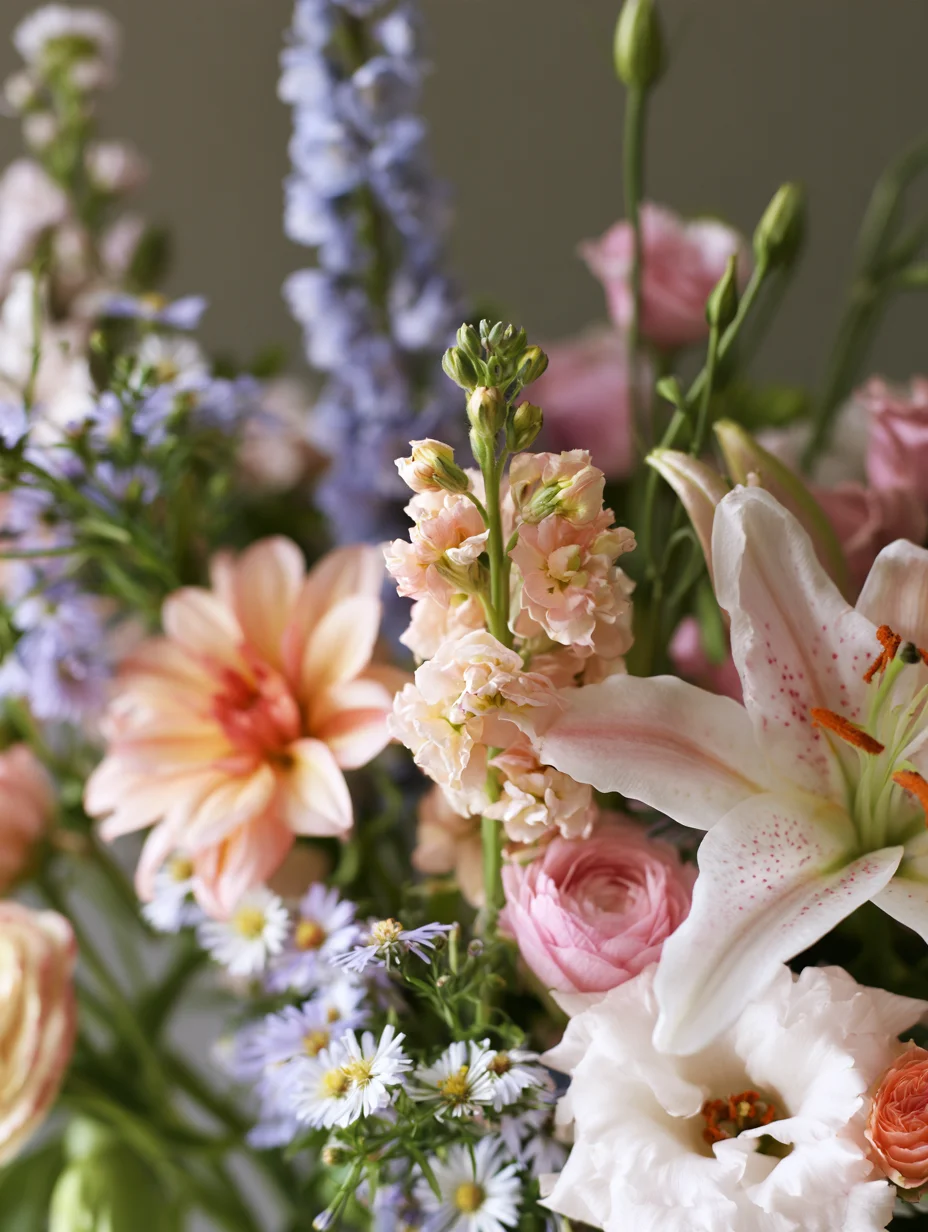
Choosing where to buy flowers involves more than just picking a pretty bouquet. The source of your flowers impacts their freshness, the creativity of the design, and the broader community. Here is a clear breakdown to help you make an informed decision.
1. The Freshness Factor: Sourcing and Handling
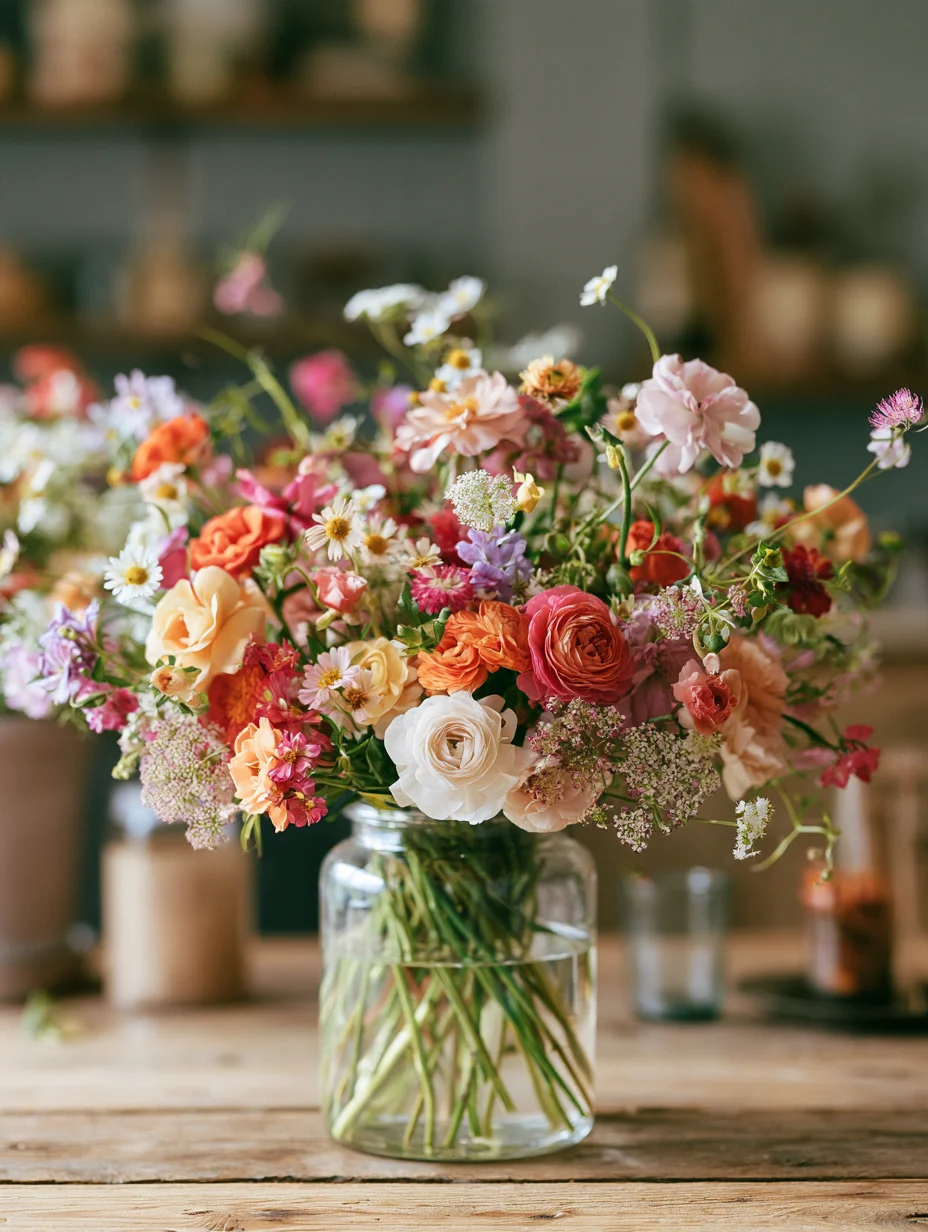
Freshness begins with sourcing and continues through every stage of handling. The way flowers are grown, transported, and cared for dramatically affects their lifespan.
Supply Chain Differences
- Independent Florists: Often purchase from regional growers, local farms, or specialty wholesalers. This creates a shorter supply chain, allowing flowers to arrive in smaller, fresher batches rather than sitting in storage.
- Big-Box Chains: Rely on centralized distribution. Flowers may travel considerable distances, pass through multiple facilities, and be stored until scheduled promotions. While this supports competitive pricing, the time between cutting and sale can vary widely.
The Art of Conditioning
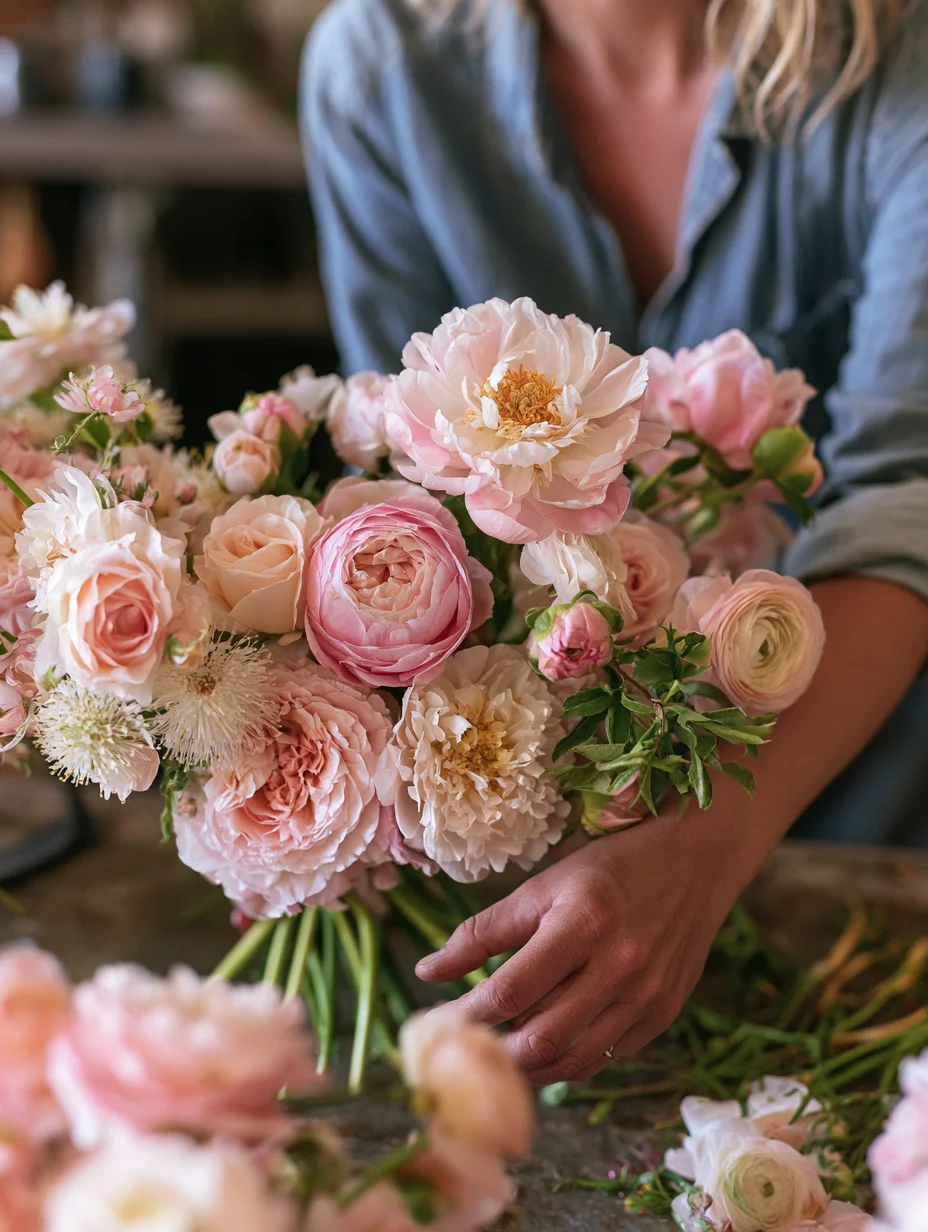
Once flowers arrive, careful conditioning makes a meaningful difference. Florists commonly recut stems, remove submerged foliage, hydrate arrangements, and monitor water quality before preparing an order. Chains may have standardized procedures, but results depend heavily on staffing, refrigeration, and how quickly products move to the sales floor.
Note: A local shop is not automatically fresher. Quality varies by business, supplier relationships, season, and inventory management.
How to Assess Quality Before Buying
Regardless of where you shop, you can assess quality by looking for:
- Green Flags: Firm stems, upright petals, fresh green leaves, clean water, and blooms that are neither excessively open nor visibly stressed.
- Red Flags: Browning edges, slimy stems, cloudy water, drooping foliage, or widespread wilting.
- Pro Tip: Ask when the last shipment arrived and choose a retailer with active inventory rotation.
2. Creativity and Customization
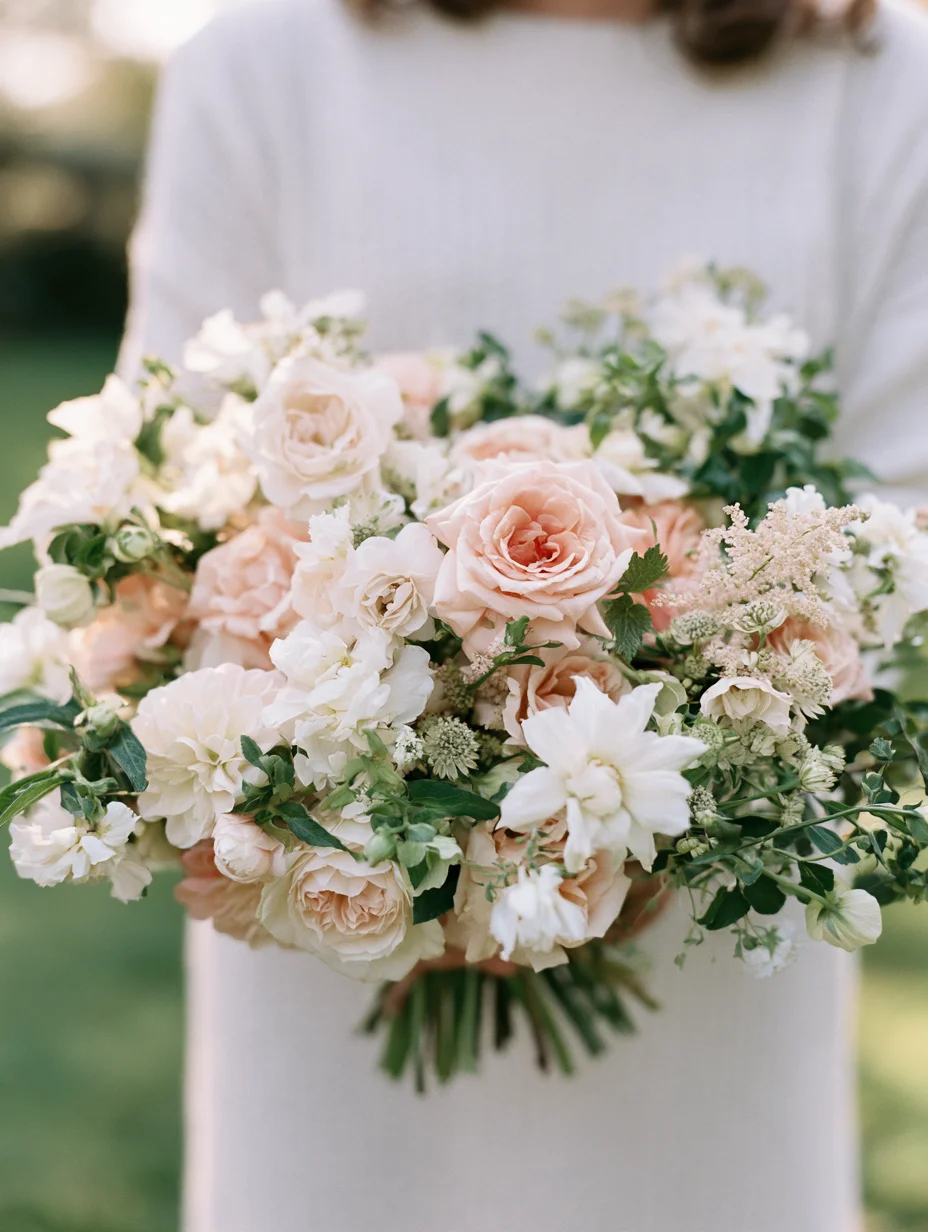
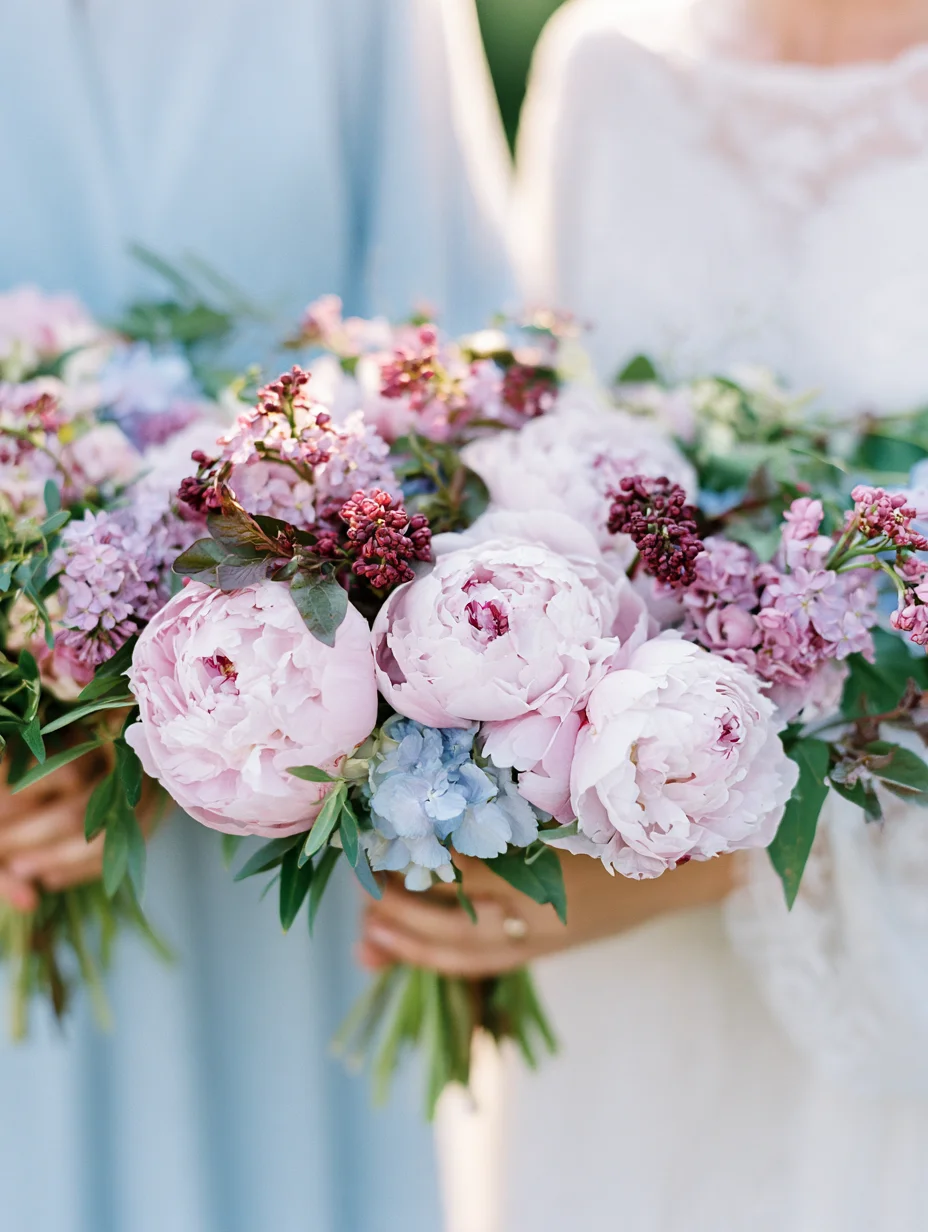
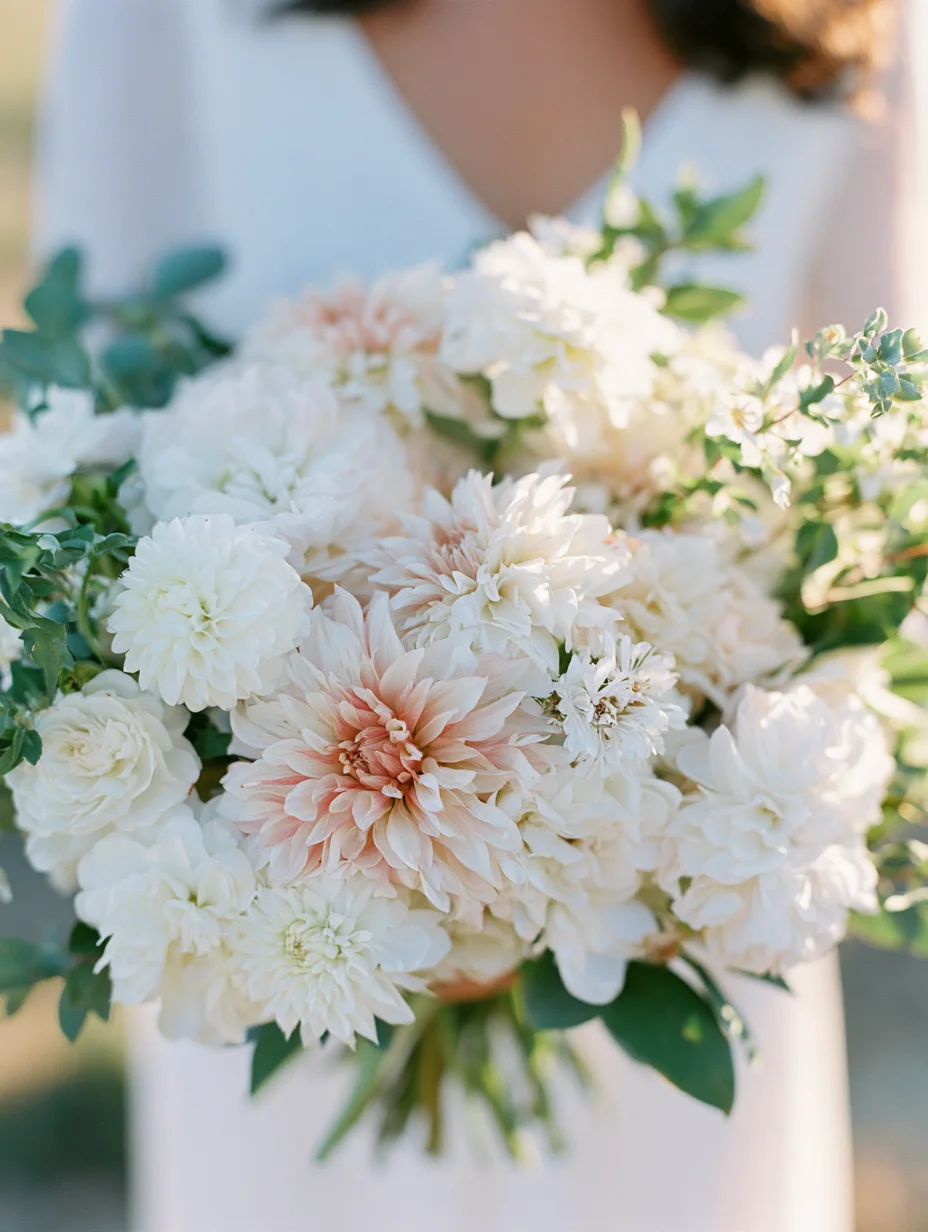
The approach to floral design differs significantly between independent shops and large retailers.
The Local Florist Experience: Collaborative Design
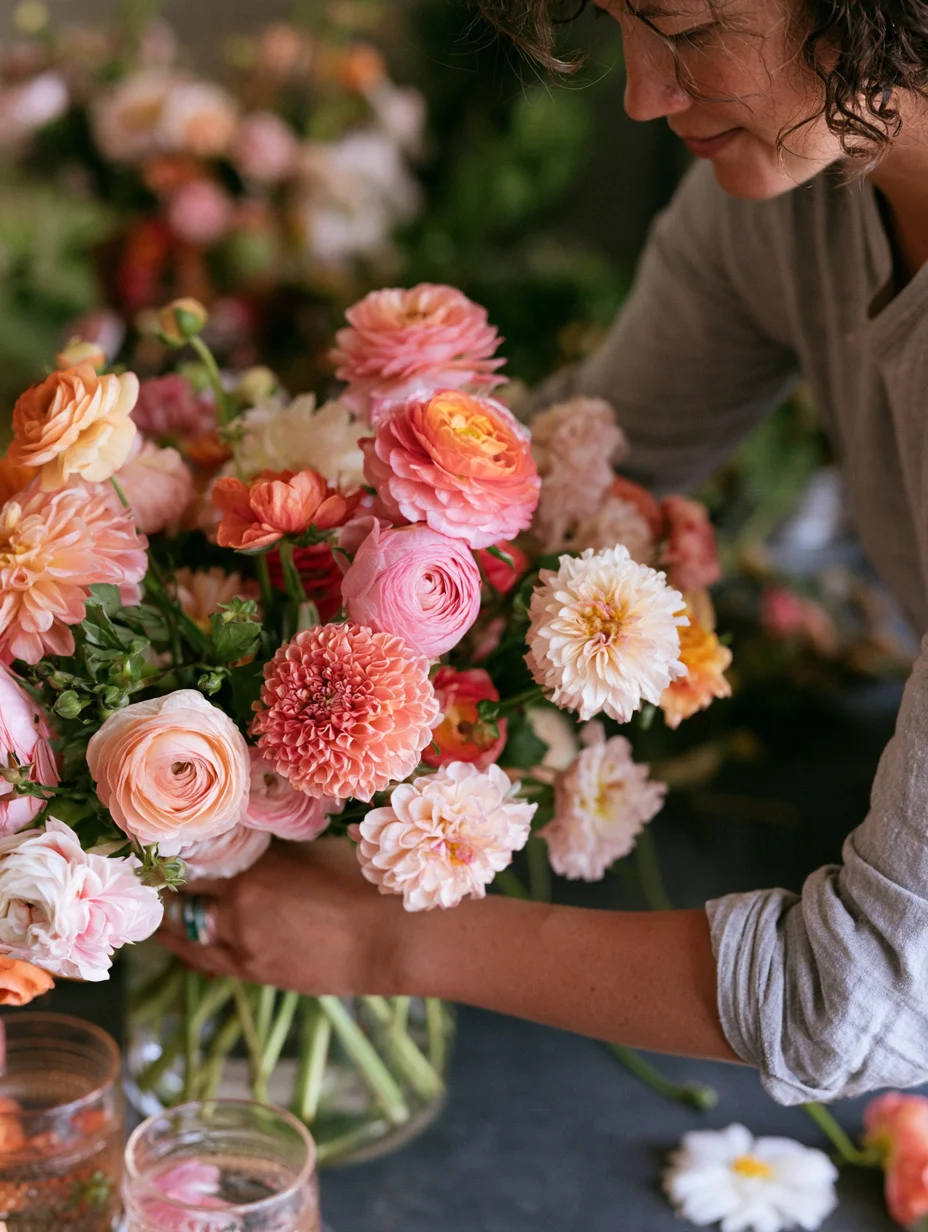
Local florists treat floral purchases as collaborative design projects rather than simple transactions.
- Deep Customization: Consultations cover color palettes, flower meanings, allergies, budgets, and the recipient’s personality.
- Expert Substitutions: If a preferred variety is unavailable, they recommend substitutions that preserve the intended color, shape, texture, or symbolism.
- Beyond the Bouquet: Services often include coordinating delivery times, including handwritten notes, providing rental vessels, and offering setup/breakdown for events.
- Longevity Focus: Designers balance focal flowers, greenery, and negative space while considering stem strength and room temperature to maximize vase life.
The Big-Box Experience: Convenience and Consistency
- Predictability: Chains provide convenience, predictable pricing, and readily available bouquets suited for straightforward purchases.
- Limitations: Arrangements are often based on fixed designs and limited seasonal selections. Customers have fewer opportunities to revise a bouquet, request unusual combinations, or arrange urgent, tailored special orders.
3. Community and Environmental Impact
Choosing an independent flower shop extends the value of your purchase well beyond the bouquet itself.
Economic and Social Value
- Job Creation: Local florists employ nearby floral designers, delivery drivers, and shop assistants, preserving skilled jobs in the area.
- Ripple Effect: They frequently purchase from regional flower farms, ceramic artists, gift makers, and printers. Each transaction supports a network of connected small businesses.
- Neighborhood Identity: Independent shops are woven into community life—decorating storefronts, supporting charity fundraisers, and building personal relationships where shop teams remember your family traditions and preferred styles.
Environmental Responsibility
Local ownership does not automatically mean minimal environmental impact. Responsible shoppers can ask targeted questions to encourage transparency:
- Where were these stems cultivated, and how far did they travel?
- What growing practices do the suppliers use?
- Do you offer reusable containers, recycling, or composting?
- How do you manage unsold inventory or reduce floral foam use?
4. How to Choose: A Decision Guide
The right source depends on what matters most for your specific purchase. Weigh the occasion, desired personalization, quality expectations, budget, and urgency.
Choose an Independent Florist When:
- Emotional significance is central: Weddings, funerals, anniversaries, or milestone birthdays.
- You need expert advice: You want recommendations on seasonal availability or a design that complements a specific room.
- Timing is critical: Delivery must occur at an exact time or requires coordination with a venue.
- You want a personalized touch: The arrangement needs to reflect a recipient’s unique personality or a specific memory.
- Questions to ask: “Which varieties are freshest right now?” “What are your guarantees for damage or premature wilting?”
Choose a Big-Box Chain When:
- You need spontaneity: You are making a last-minute, simple purchase.
- Budget is the primary driver: You are seeking a lower upfront price and broad geographic availability.
- Customization is unimportant: A standard, attractive bouquet meets your needs.
- Convenience is key: You need extended store hours or are already shopping for other groceries.
- Caveat: Remember that the displayed price doesn’t always represent total value. Factor in potential costs for a vase, shorter vase life, or replacement stems.
The Bottom Line
For a simple, immediate purchase, a chain may be perfectly practical. However, for a meaningful gift or a carefully managed event, an independent florist often provides greater service, flexibility, and confidence. The strongest community benefit comes when shoppers value both the human relationships behind the service and the purchasing practices that shape its wider social and environmental effects.