
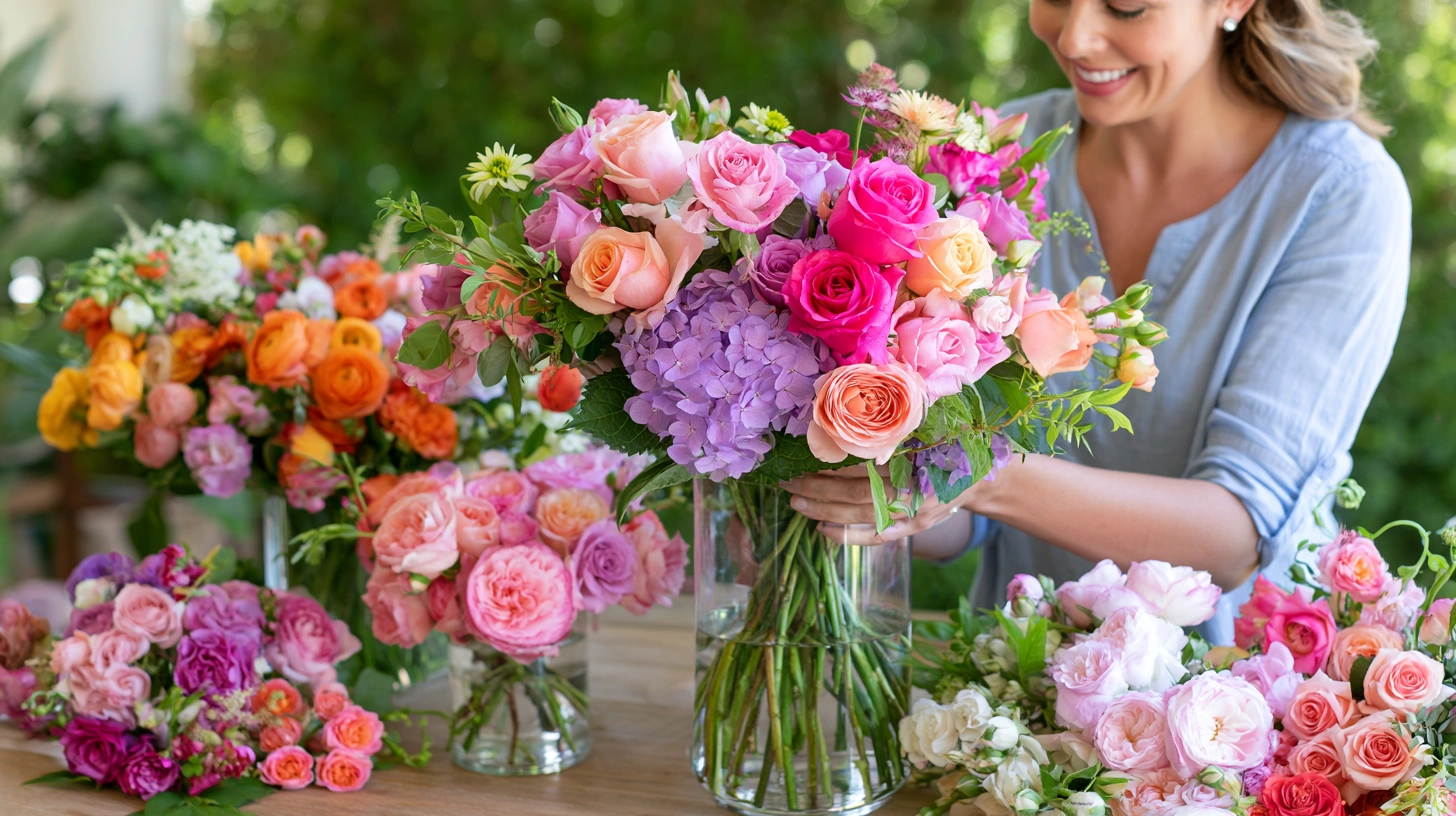
The Importance of Cutting Stems Properly
When it comes to keeping cut flowers fresh in Florida’s warm and humid climate, one crucial step is cutting the stems at a 45-degree angle while submerged in water. This technique serves several important purposes that contribute to longer-lasting blooms.
Firstly, cutting the stems at an angle increases the surface area available for water absorption. This is essential because flowers need a consistent supply of water to stay hydrated and healthy. In the humid environment of Florida, where heat can quickly lead to wilting, maximizing water uptake is even more significant. Additionally, an angled cut helps to prevent the stems from resting flat against the bottom of the vase, which would limit their ability to draw up water effectively.
A key challenge when cutting flower stems is avoiding the introduction of air bubbles into the stem. These air bubbles can inhibit water flow and lead to premature wilting. By cutting the stems underwater, you effectively minimize the risk of air entering the vascular system of the flowers. This method is particularly important for delicate blooms that are sensitive to changes in their water supply or that tend to wilt quickly.
To execute this technique properly, you only require a few tools: a sharp, clean pair of floral shears or scissors and a basin or sink filled with water. It’s vital that the shears are clean to prevent any harmful bacteria from being introduced into the stem, which can compromise the life of the flowers. Regular cleaning of your cutting tools after each use can further enhance their effectiveness and keep the flowers looking vibrant.
In summary, the technique of cutting flower stems at a 45-degree angle underwater is fundamental for enhancing water absorption, preventing air from entering the stems, and ensuring the longevity of your floral arrangements. Employing clean tools and maintaining proper techniques will yield optimal results for your cut flowers in Florida’s unique climate.

Protecting Flowers from Air Conditioning and Heat
Maintaining the freshness of cut flowers in Florida’s warm and humid climate requires a strategic approach, particularly when it comes to protecting them from direct air conditioning drafts and indirect sunlight. Proper placement of flower vases is critical to ensuring that the delicate petals are not affected by harsh temperatures that can lead to wilting or premature decay.
When arranging cut flowers, it is important to avoid locations near air conditioning vents or heating sources. The cold bursts of air produced by air conditioners can rapidly chill the delicate petals, leading to browning and damage. Ideally, vases should be positioned in regions of the room where air circulation is gentle and not directly impacting the flowers. Consider placing your arrangements on tables or in corners where they can receive some ambient airflow without the risk of being blasted by cold air.
Another consideration is the effects of prolonged exposure to sunlight. While natural light is beneficial for many plants, bright sunlight can degrade the quality of cut flowers, causing them to wilt faster. Thus, it is advisable to place arrangements in areas that receive indirect sunlight, ensuring that they stay vibrant without succumbing to the heat.
In environments where it may be difficult to regulate airflow effectively, alternative cooling methods can be employed. For example, using a fan on a low setting may help increase air circulation without the harshness of direct drafts. Additionally, misting the flowers lightly with water can contribute to keeping them hydrated while also providing some cooling relief from surrounding heat. These methods can be particularly effective during the hottest times of the day.
In conclusion, when attempting to keep cut flowers fresh in Florida’s climate, the placement of vases away from air conditioning drafts and direct sunlight is vital. Implementing these strategies will help prolong the life of flowers, maintaining their beauty despite the challenges posed by the environment.

The Role of Water Quality and Temperature
Water plays a critical role in the longevity and overall health of cut flowers, especially in the unique climate of Florida. The quality of water used for maintaining cut flowers significantly impacts their lifespan by affecting how well they can hydrate and absorb nutrients. One of the essential components in preserving the freshness of cut flowers is the use of filtered water. Filtered water is typically free from impurities and chlorine, which can impede the absorption of water and nutrients by the plant. This improved quality enhances the health of the flowers, allowing them to remain vibrant for a more extended period.
Temperature is another vital factor that influences the effectiveness of water. Cut flowers thrive in water that is at an appropriate temperature—the ideal range is typically between 100 to 110 degrees Fahrenheit. Warm water facilitates better hydration compared to cold water because it reduces the surface tension, allowing for quicker absorption by the stems. Therefore, assessing the temperature before placing the stems in the water can significantly enhance their ability to take up necessary hydration, promoting longer-lasting blooms.
Moreover, changing the water frequently is a crucial practice in maintaining the freshness of cut flowers. Over time, the water can become clouded due to the release of bacteria and decaying plant material, which hinders proper nutrient absorption. To combat this, it is recommended to change the water every two to three days and to clean the vase thoroughly before refilling it. This simple yet effective approach helps provide the cut flowers with a more nutrient-rich environment and reduces the risk of bacterial growth that can lead to early wilting.
In summary, by focusing on the quality and temperature of the water, as well as maintaining regular water changes, individuals can significantly enhance the lifespan of cut flowers in Florida’s challenging climate, ensuring they remain fresh and beautiful for longer periods.
Daily Maintenance for Long-Lasting Bouquets
Caring for cut flowers in Florida’s unique climate requires diligent daily routines to ensure they remain vibrant and fresh. First and foremost, regular water checking is essential. Most cut flowers thrive when their stems are submerged in water, which helps maintain their hydration levels. Different types of flowers have varying water consumption needs; for instance, larger blooms like sunflowers may require more water compared to delicate species such as daisies. Establishing a consistent schedule for monitoring and replenishing water levels will significantly extend the life of your floral arrangements.
It is important to refresh the water every couple of days, discarding the old water that may contain bacteria. When refilling, use lukewarm water to help the flowers absorb moisture more effectively. Additionally, consider the use of flower food, which can be mixed into the water to provide essential nutrients. This practice supports healthy blooms and enhances their vibrancy.
Being vigilant for signs of dehydration is crucial in maintaining the quality of your cut flowers. Wilting petals and drooping stems are clear indicators that your flowers are in need of more water. In some cases, observing browning foliage may also signal that flowers are overheating or not receiving enough hydration. To combat these issues, ensure that the flowers are stored in a cool, shaded area free from direct sunlight and heat sources.
Another effective practice to promote longevity is trimming the stems at least every few days. Cutting the stems at an angle improves their ability to absorb water, which is vital, especially in warmer climates. Adopting these daily routines will undoubtedly enhance the overall appearance and lifespan of your cut flowers, allowing them to thrive in a beautiful display for your enjoyment.