
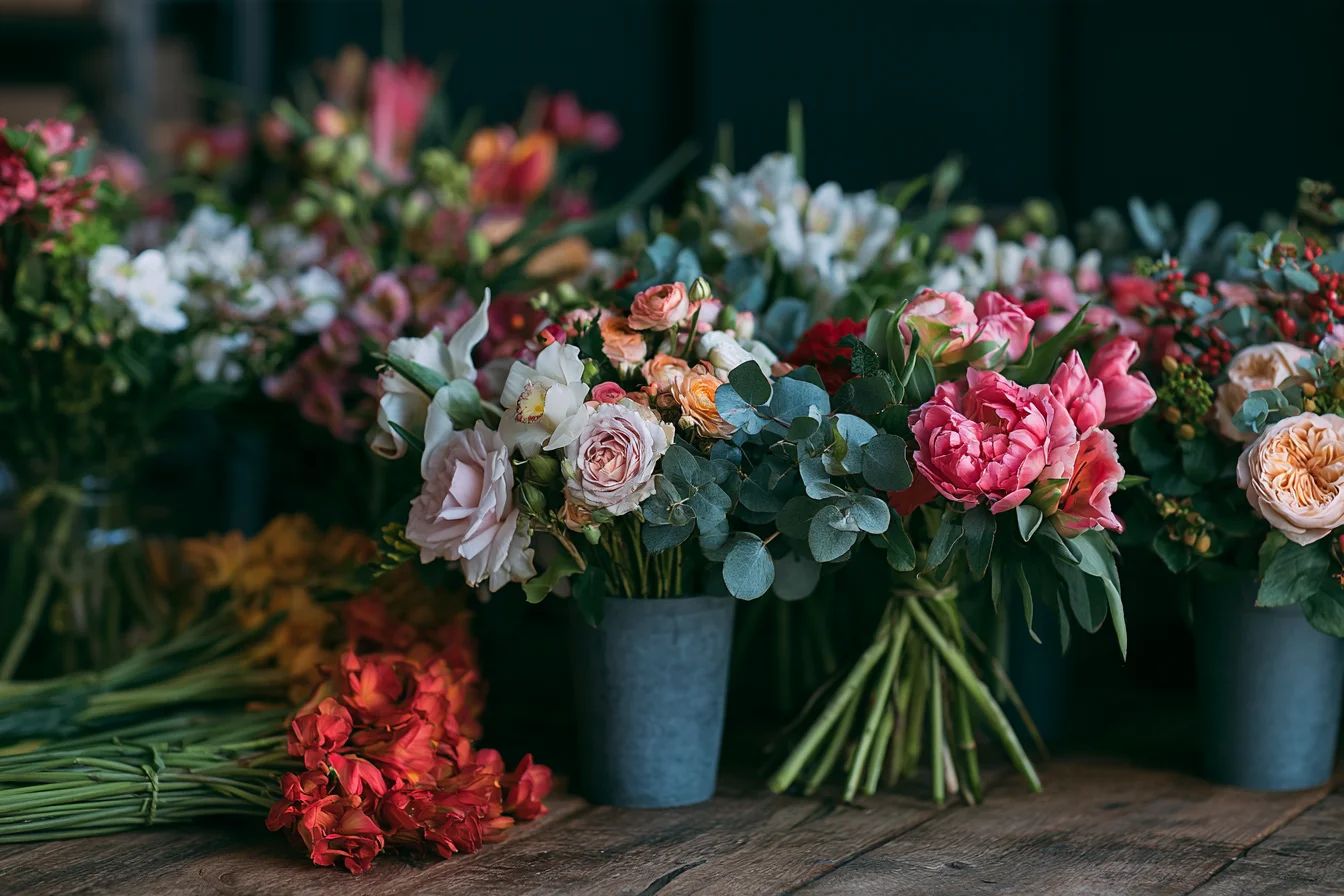
The Art of Giving Flowers: Meaning, Etiquette, and Selection
Flowers offer a graceful way to communicate feelings when ordinary words seem insufficient. A carefully chosen bouquet can express care, celebrate an achievement, acknowledge remorse, provide support during a difficult period, convey affection, or honor someone’s memory. This nonverbal message is often immediate and emotionally resonant, which is why flowers remain appropriate across both joyful and serious occasions.
Understanding the Message Behind the Blooms
The meaning of a floral gift is shaped by more than traditional symbolism. The occasion, the relationship between sender and recipient, and the recipient’s cultural expectations all influence how an arrangement is received.
- Personal Preferences: Someone may value a favorite color, enjoy a particular flower, or prefer a simple collection of seasonal stems over an elaborate bouquet.
- Timing and Presentation: A delivery made promptly after a loss communicates presence, while flowers presented at a celebration may reinforce shared happiness.
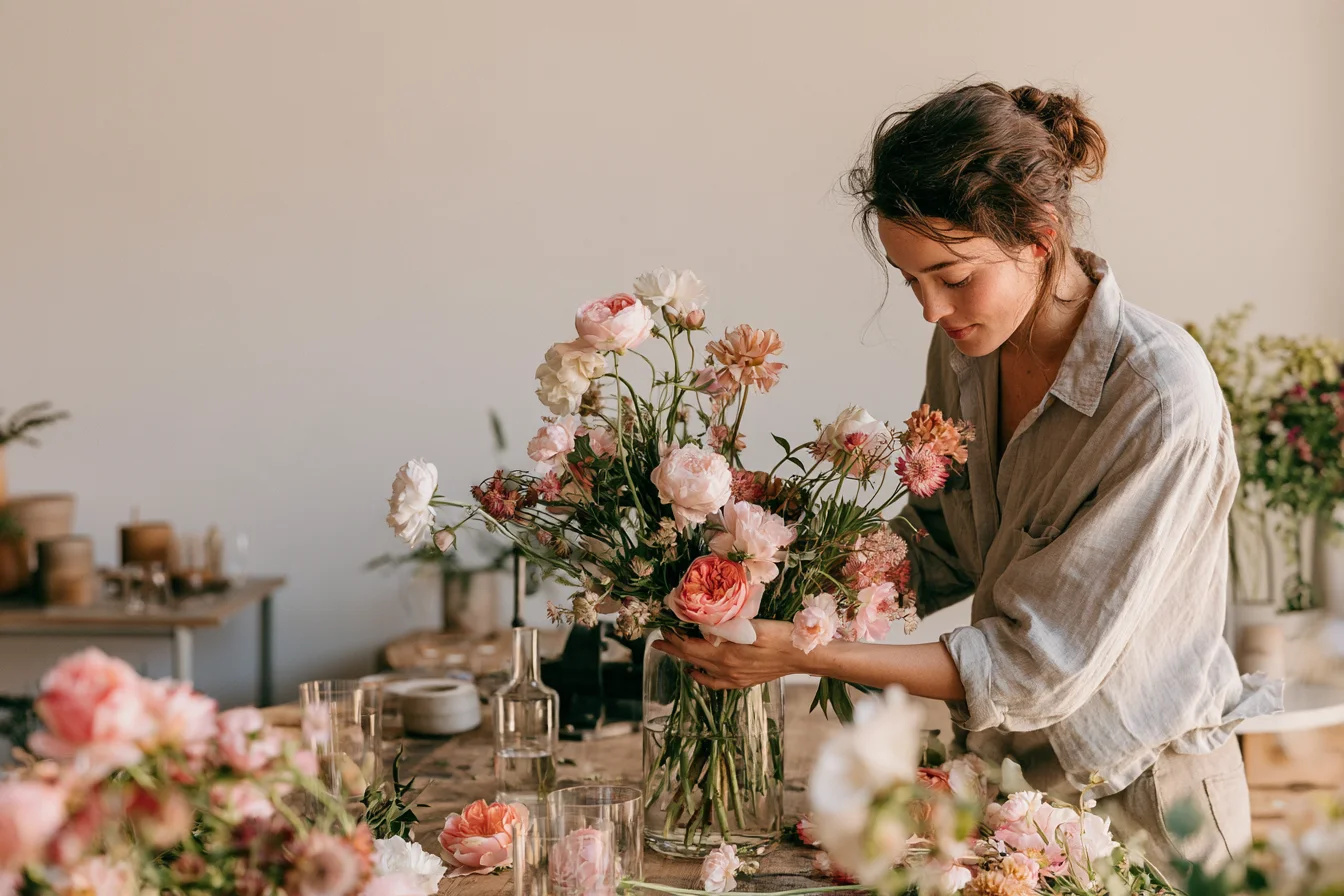
A practical approach begins by identifying the sentiment before selecting the blooms. Ask what the gift should communicate, then consider the recipient’s personality, circumstances, and likely comfort. Choose a color palette and arrangement style that suit both the occasion and the relationship. Soft, restrained tones may be appropriate for sympathy, whereas bright colors can reflect congratulations or enthusiasm. When uncertainty remains, a personal note can clarify the intention and make even a modest arrangement feel meaningful.
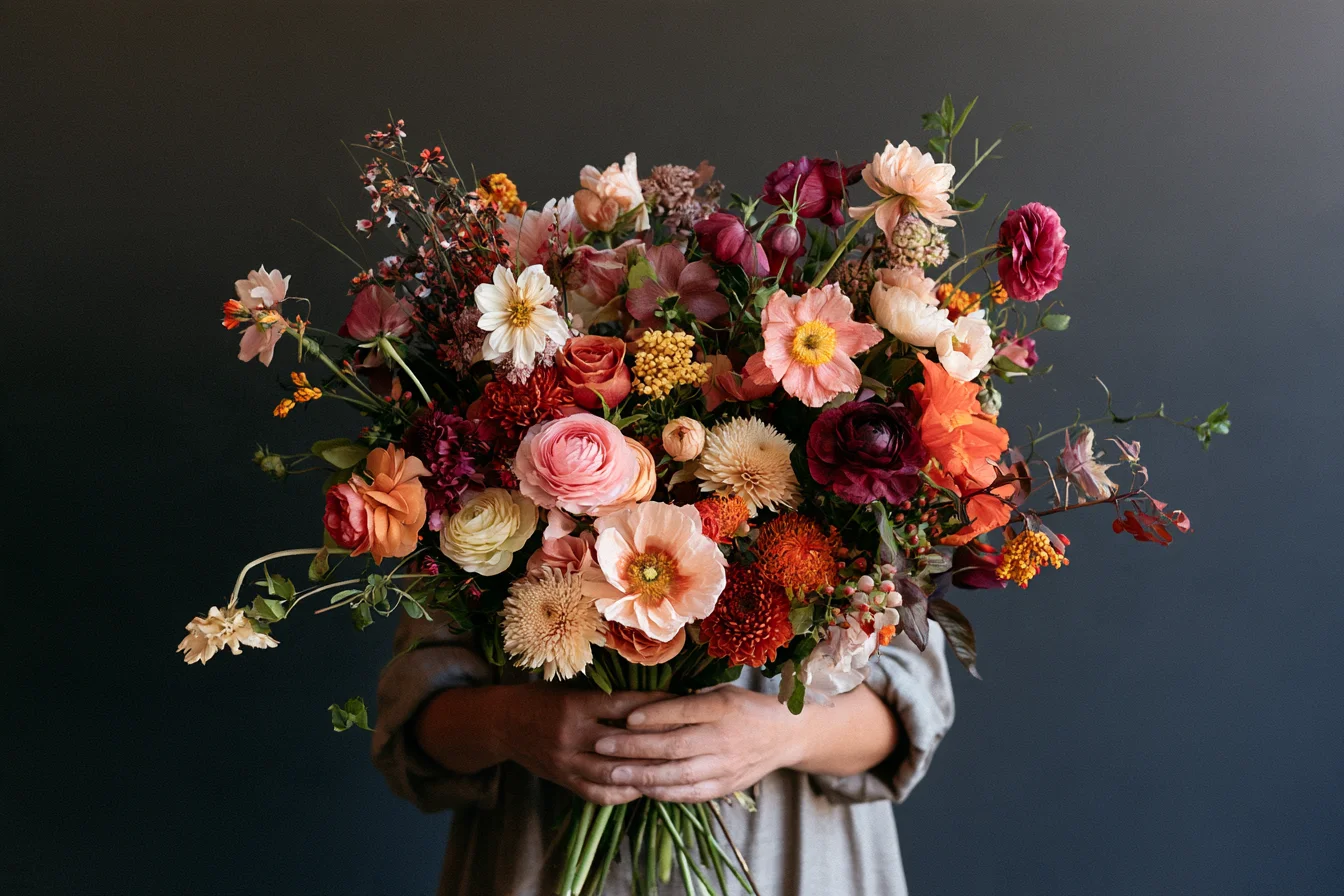

Etiquette provides useful guidance, but it should not restrict generosity or create anxiety about choosing the perfect flower. Customs differ, and symbolic meanings are not universal; a thoughtful gesture is more important than rigidly following a traditional rule. Ultimately, considerate flower-giving combines awareness with sincerity.
Choosing Flowers for Every Occasion
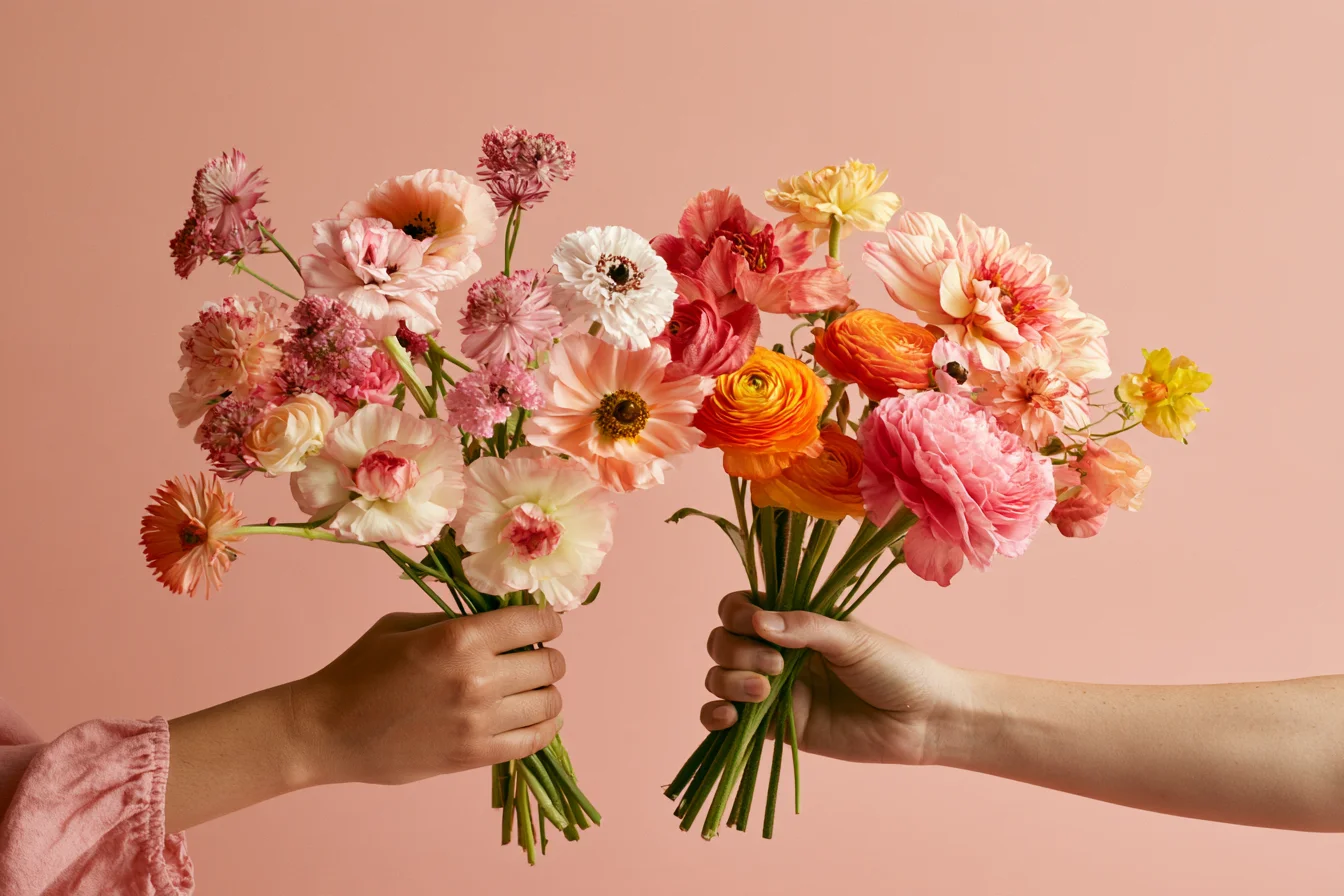
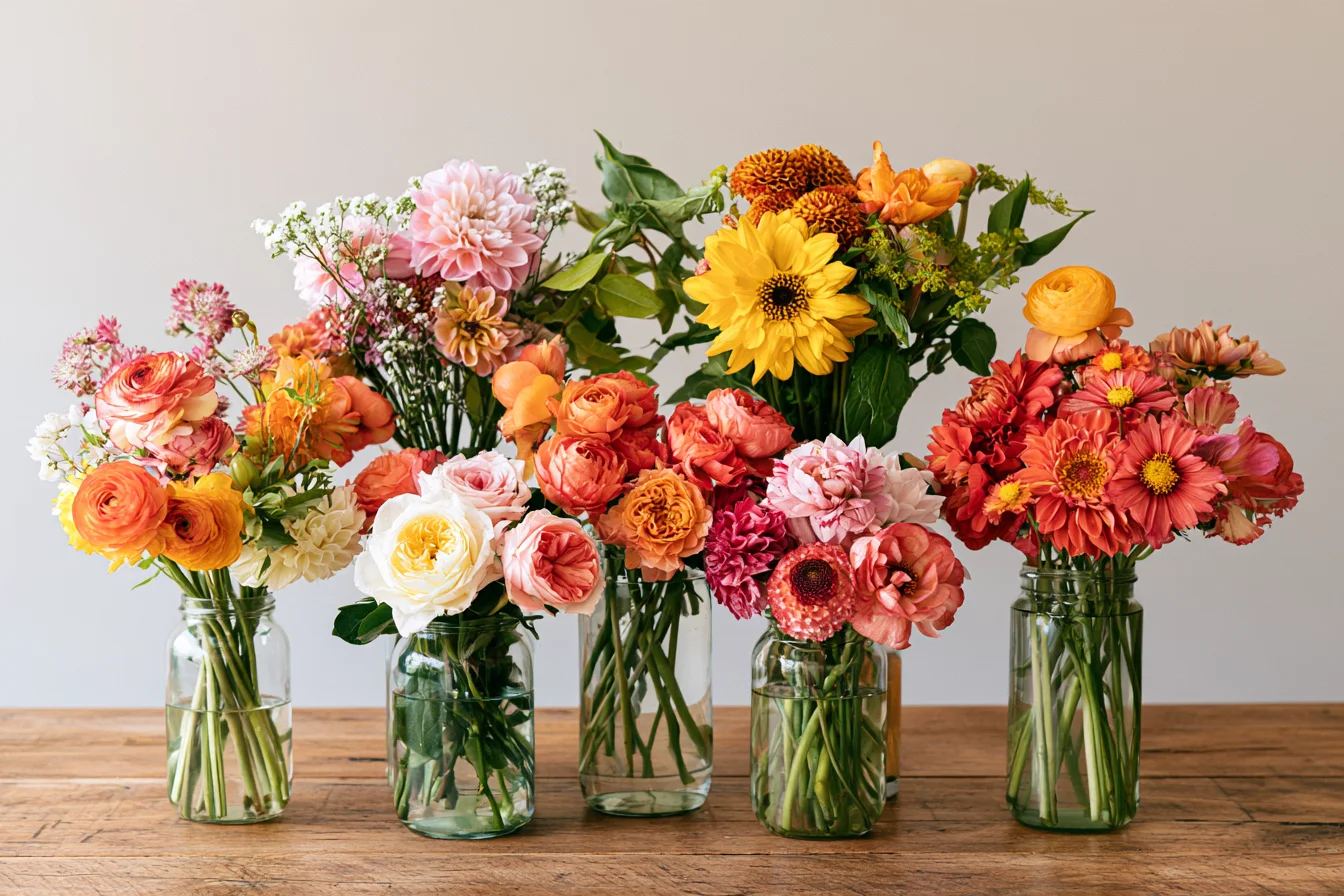
- Apologies: Flowers express an apology most effectively when their tone is gentle and sincere. Choose a modest, elegant arrangement in the recipient’s favorite colors rather than an oversized display that might seem theatrical. Include an honest note that acknowledges what happened, avoids excuses, and gives the recipient space.
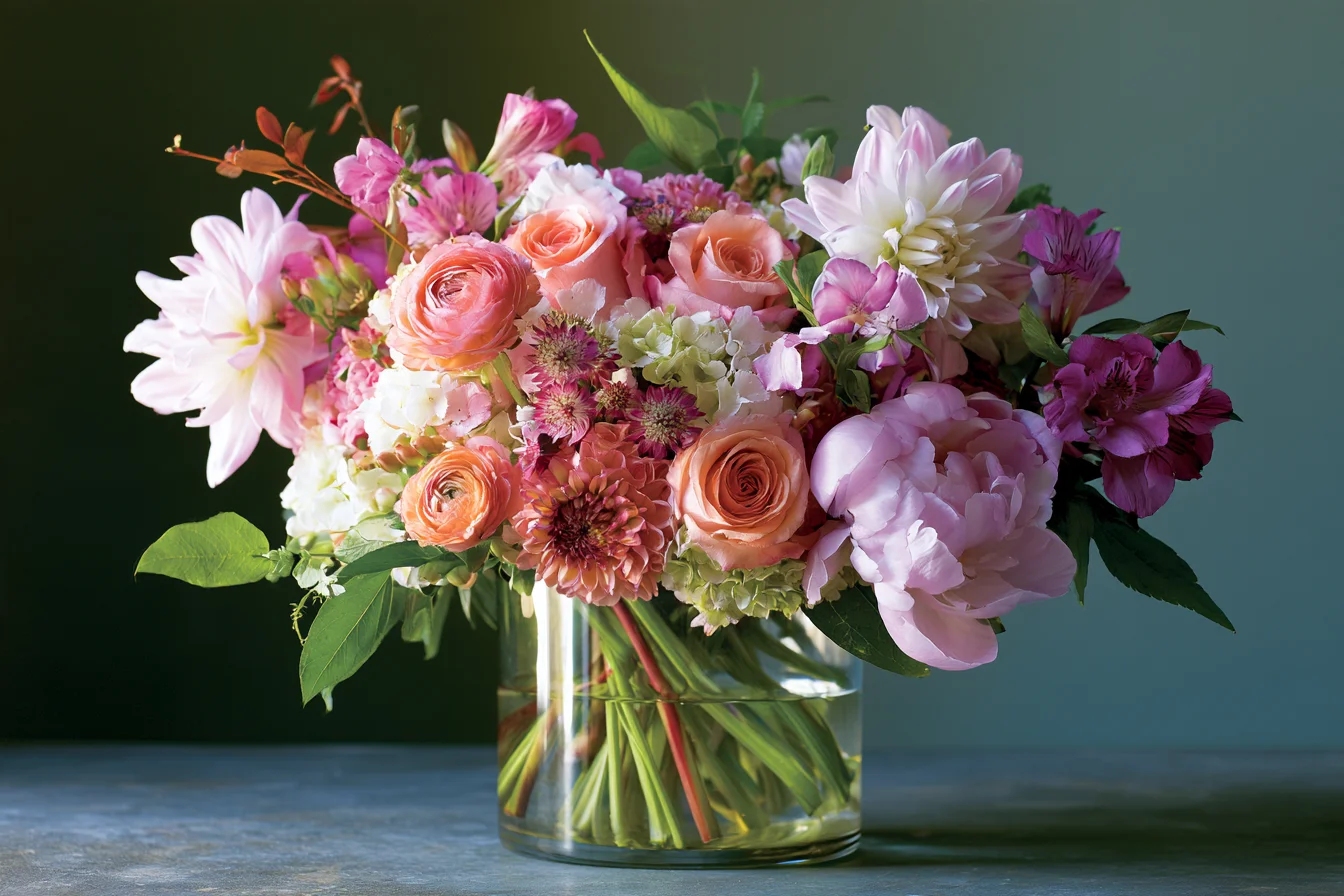
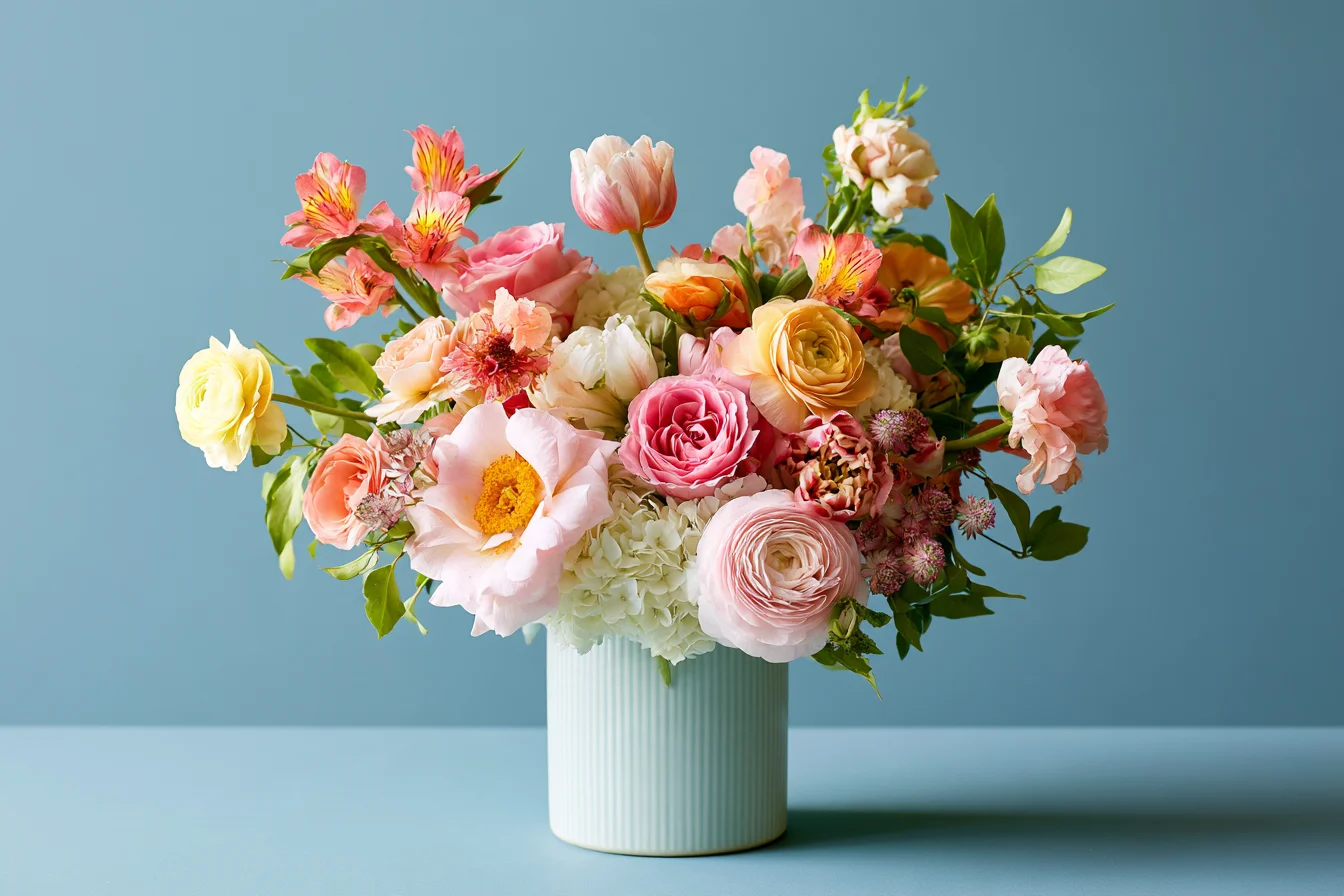
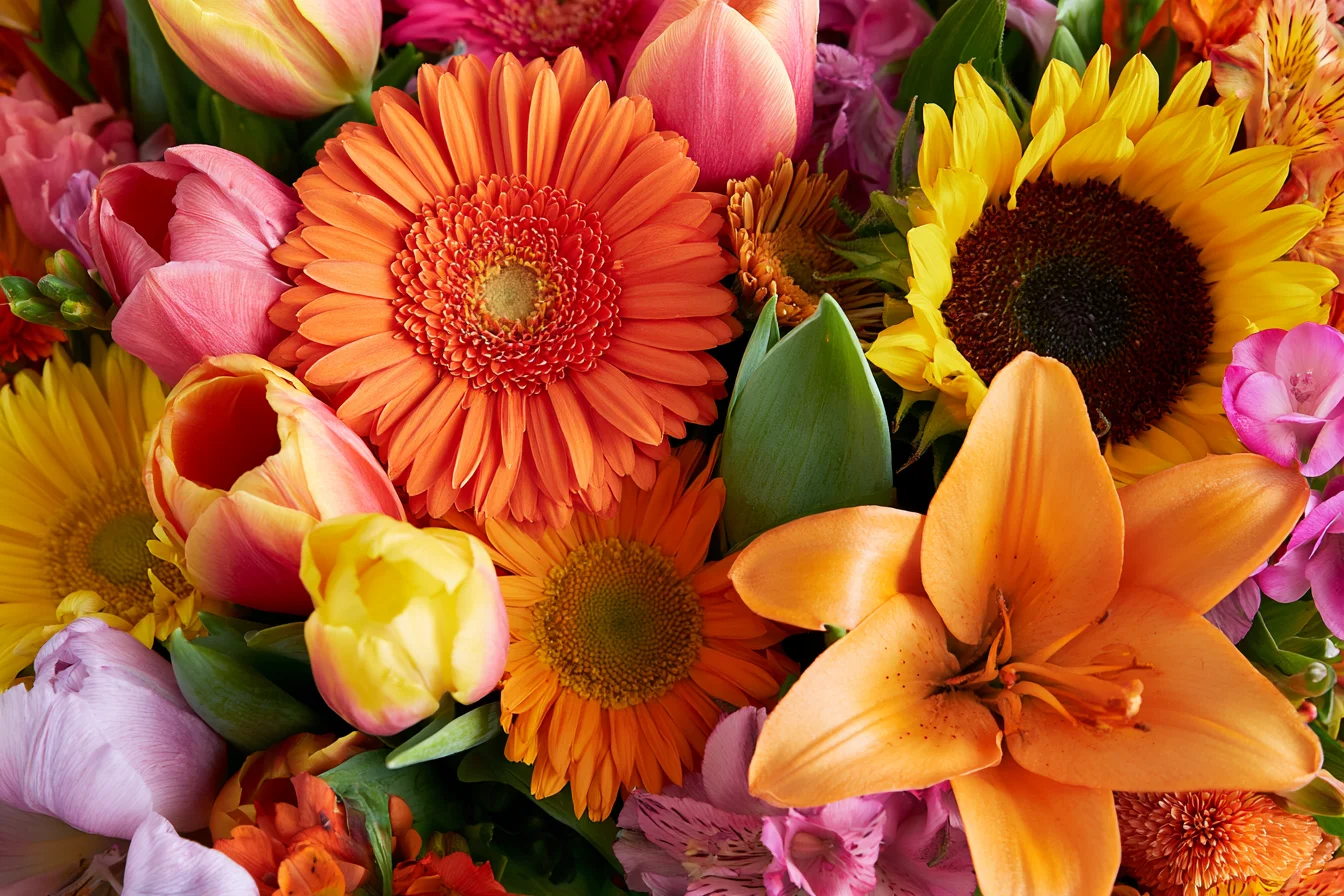
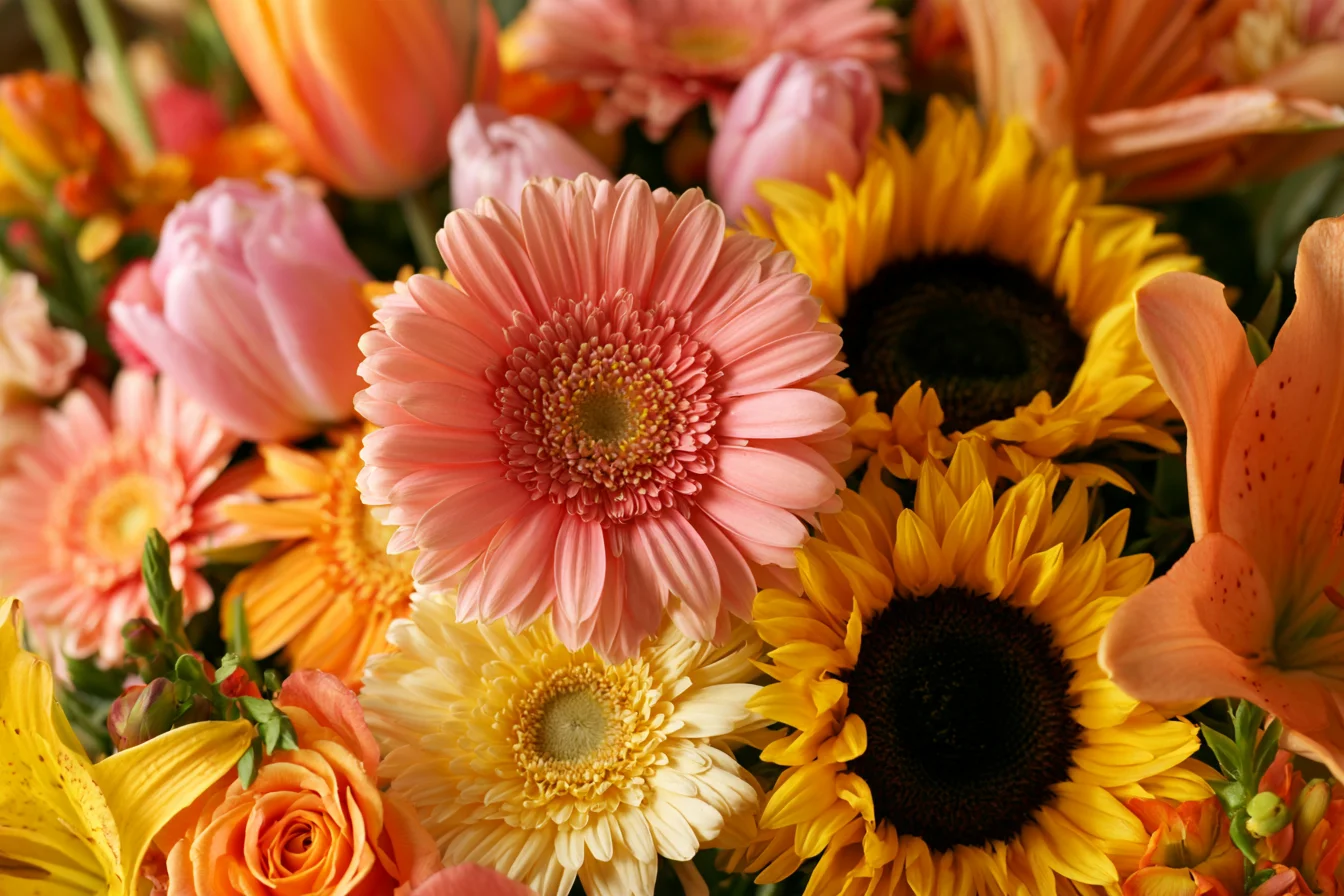
- Birthdays: Cheerful and colorful flowers usually suit the celebratory mood. Gerberas, tulips, sunflowers, lilies, and mixed seasonal flowers all offer lively options. Tailor the gift to the recipient’s preferred colors, favorite varieties, and home style to make it feel thoughtful rather than routine.
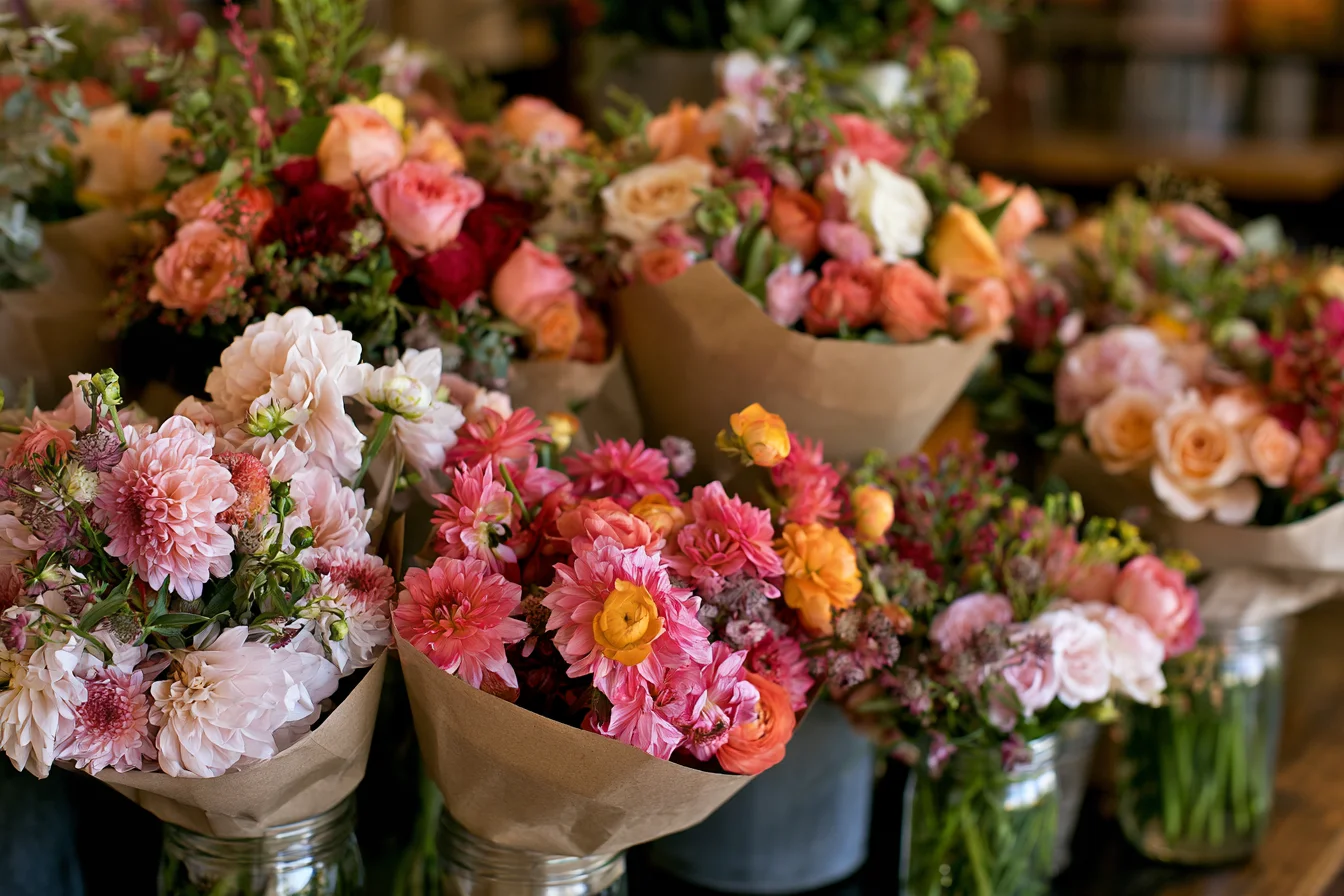
- “Just Because” Gifts: These bouquets are best when they feel relaxed, spontaneous, and uncomplicated. Select seasonal flowers from a local florist, and choose a budget-friendly design like a small mixed bouquet or a simple jar arrangement. The unexpected timing is often the most meaningful part of this gesture.
- Milestones and Achievements: Graduations, promotions, new homes, retirements, and anniversaries call for flowers that reflect the scale of the achievement. Larger bouquets and bold shades can mark major accomplishments, while a smaller design may be more appropriate for a personal or understated success.
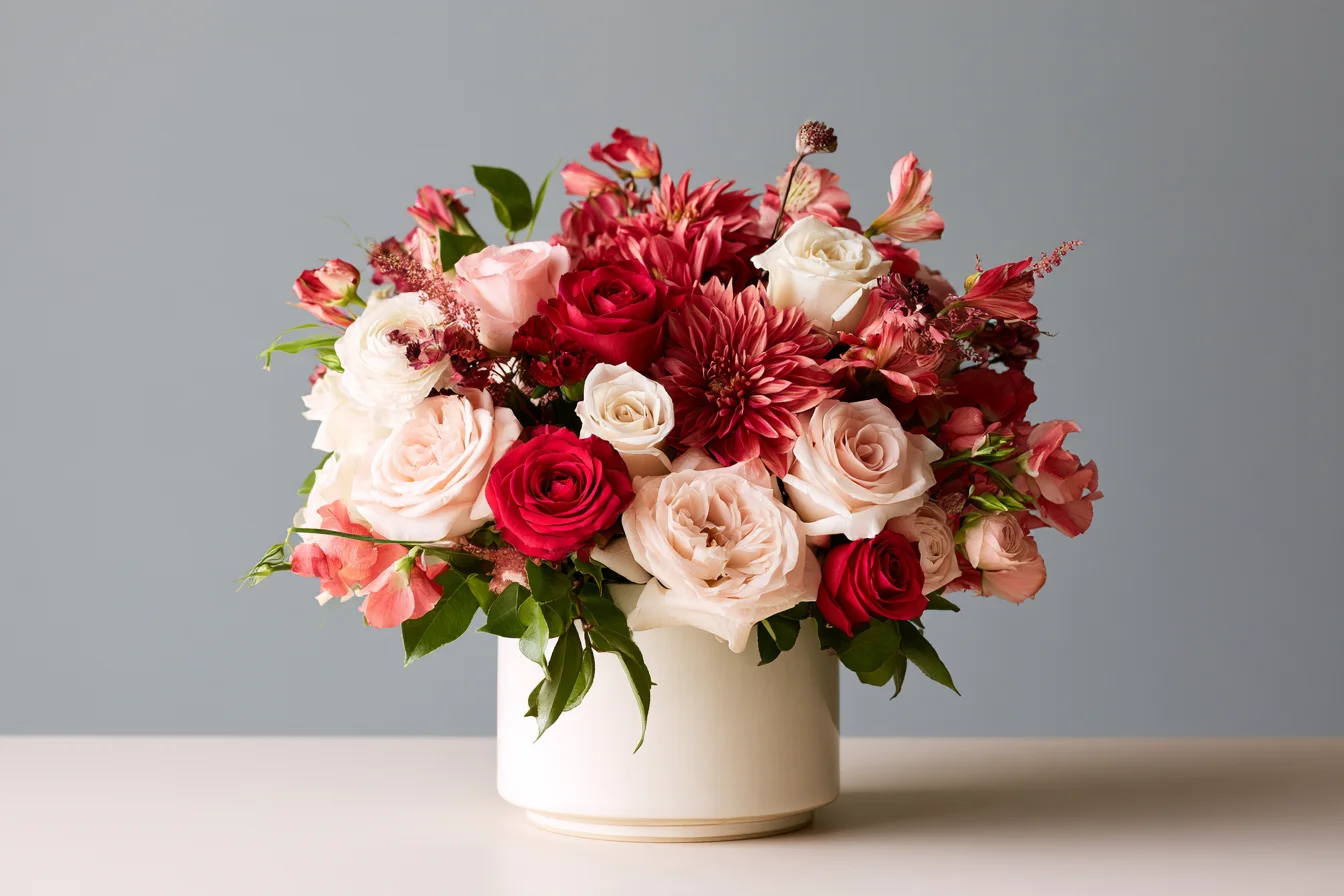
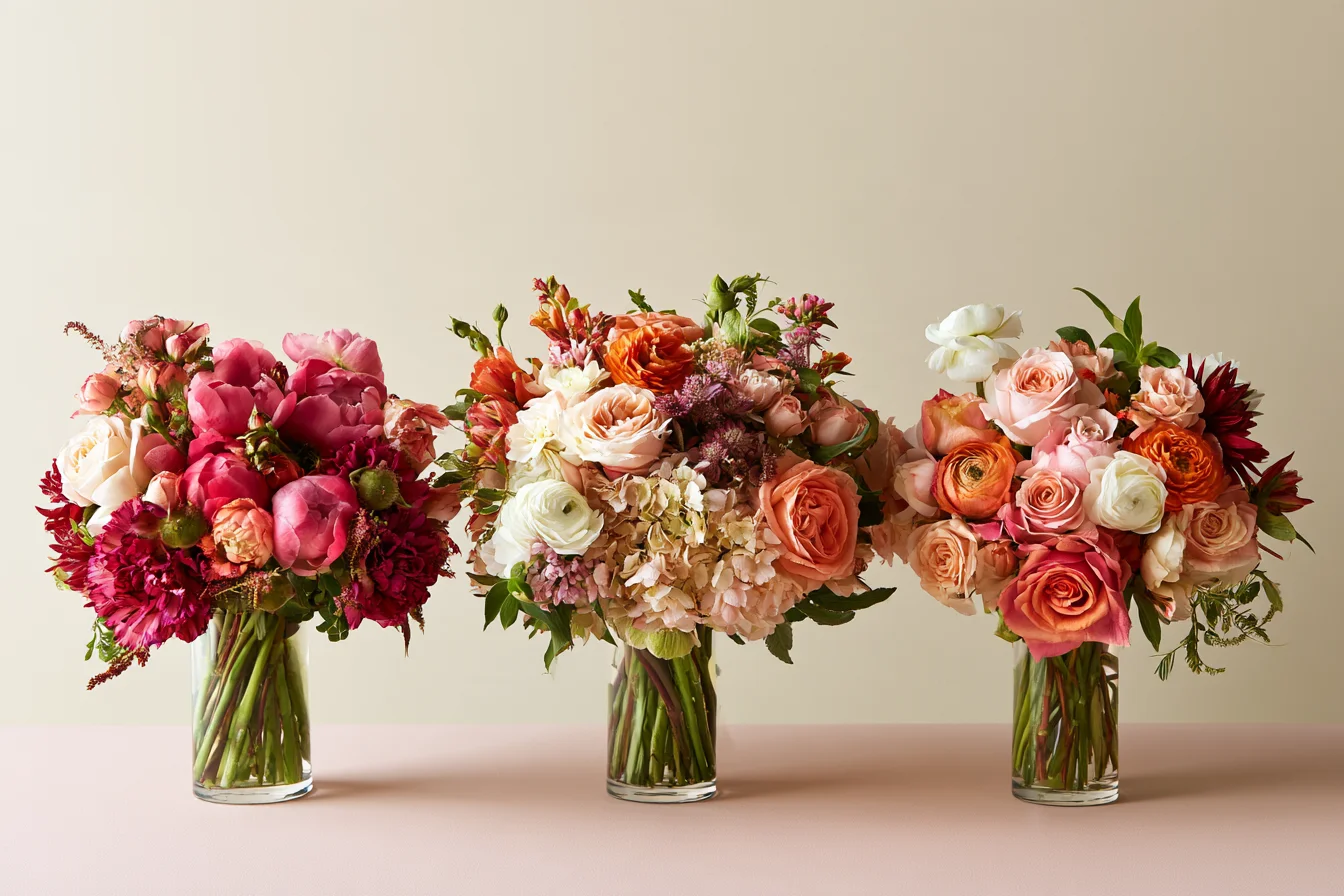
- Sympathy and Condolences: Sympathy flowers should generally be understated, with soft colors and a calm, respectful design. Before ordering, check cultural and religious customs, as some traditions prefer specific flowers, plants, or charitable donations instead. A brief, compassionate message is more important than an elaborate display.
Decoding Flower Symbolism and Colors
Traditional flower symbolism can add thoughtfulness to a gift, but it should be treated as a helpful reference rather than a universal code. Meanings vary across cultures, generations, and personal experiences, so the recipient’s preferences should remain the strongest guide.
Traditional Meanings
- Red Roses: Commonly associated with romantic love.
- Pink Roses: Express affection, gratitude, or appreciation.
- Yellow Roses: Suggest friendship and warmth.
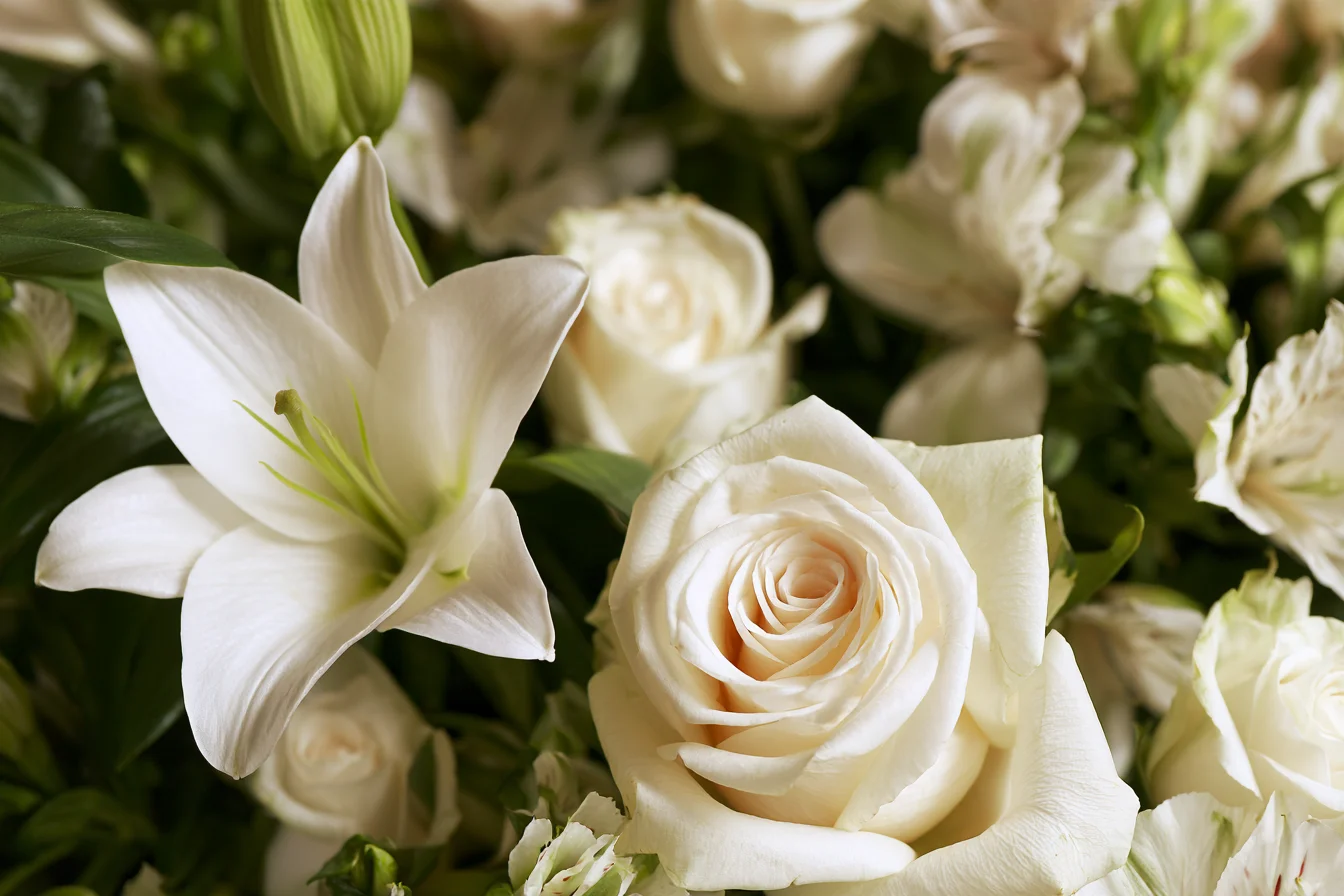
- White Lilies: Frequently chosen for peace and remembrance, though their formal appearance and fragrance may feel too solemn for some occasions.
- Tulips and Carnations: Convey sincere affection, springlike optimism, admiration, or remembrance.
- Orchids: Represent elegance and lasting regard.
- Sunflowers and Daisies: Linked with joy, confidence, encouragement, innocence, and cheer.
The Language of Color
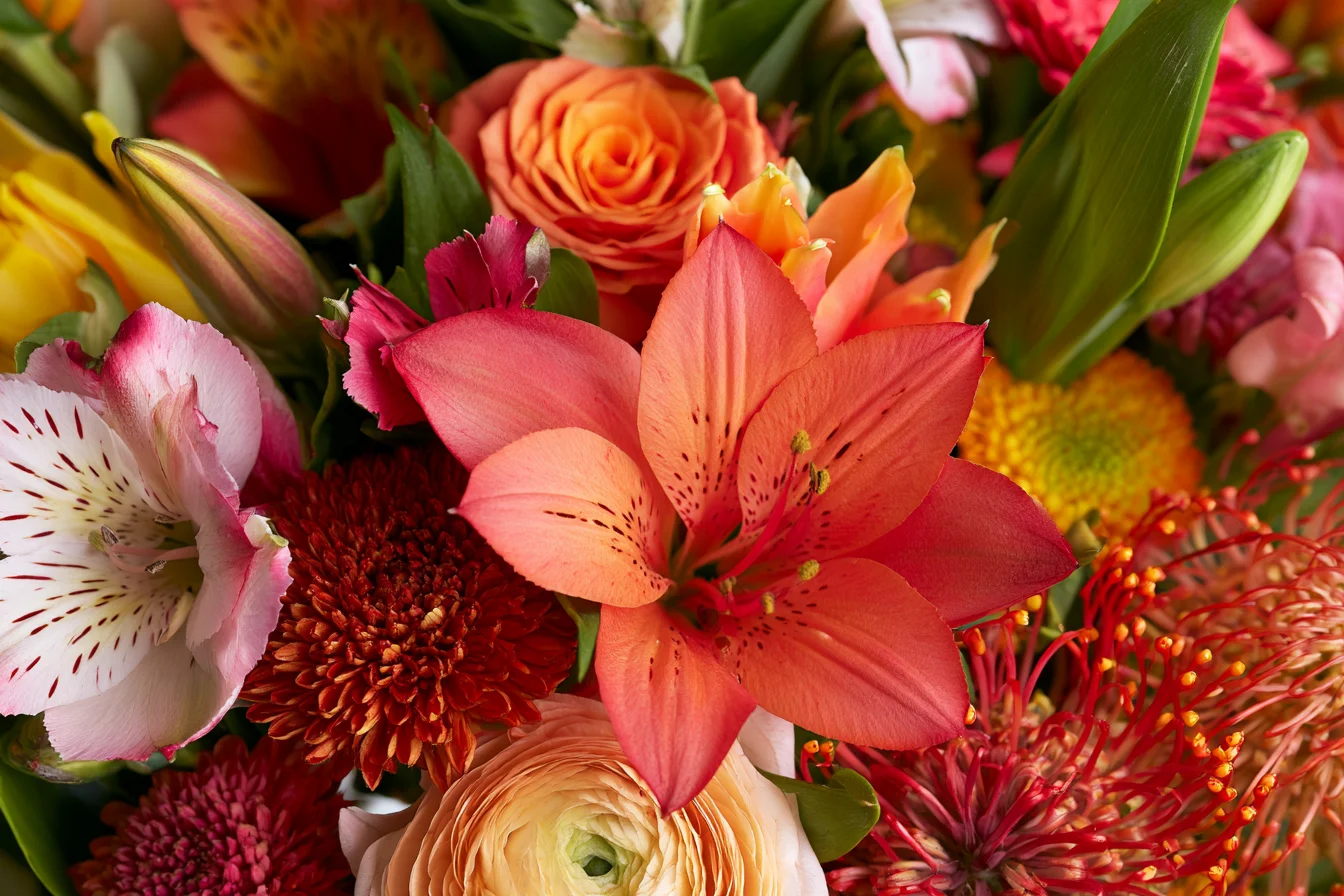
- Bright Tones: Suit celebrations and energetic congratulations.
- Soft Pastels: Communicate tenderness.
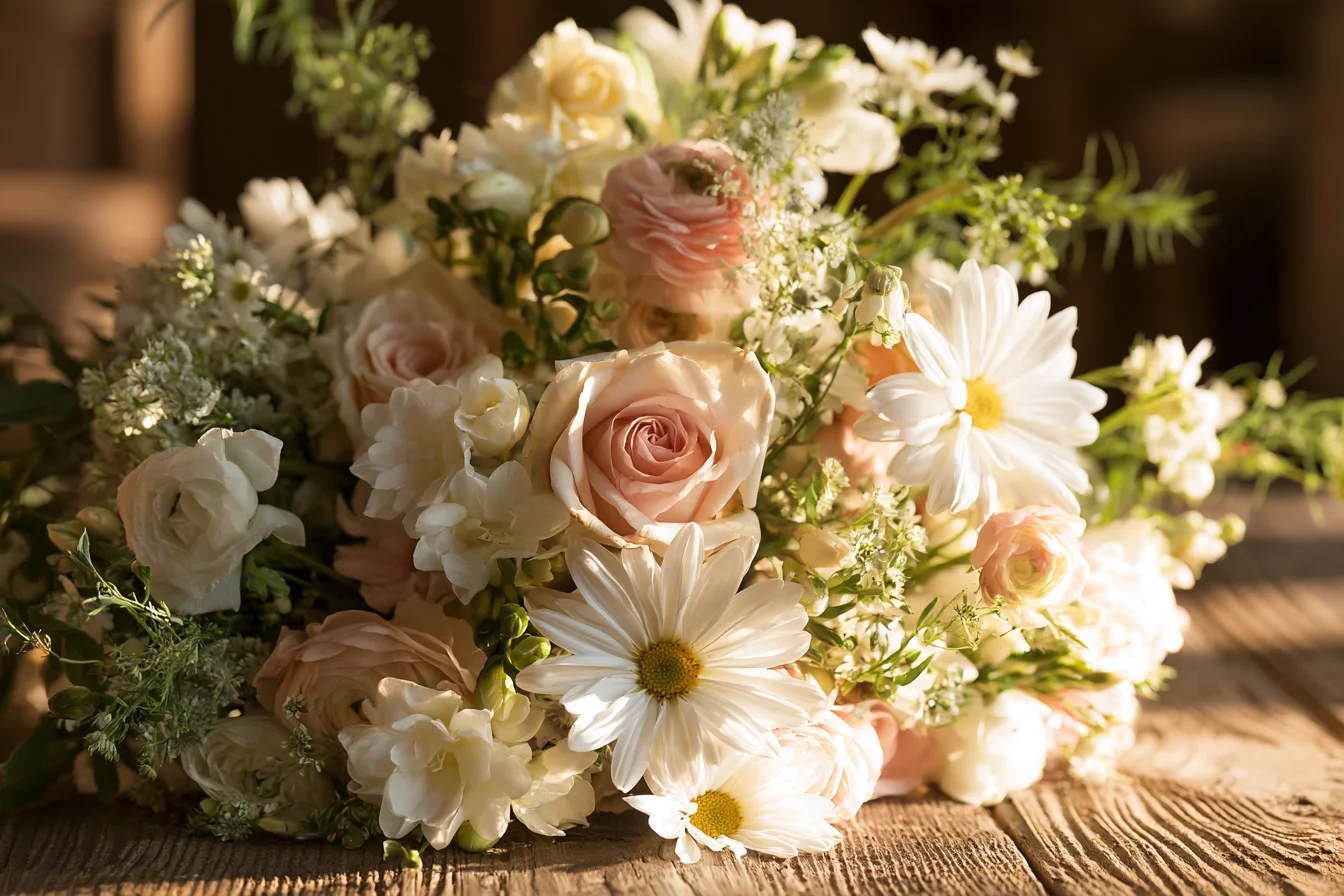
- White and Green: Create a calm impression appropriate for sympathy or peaceful reflection.
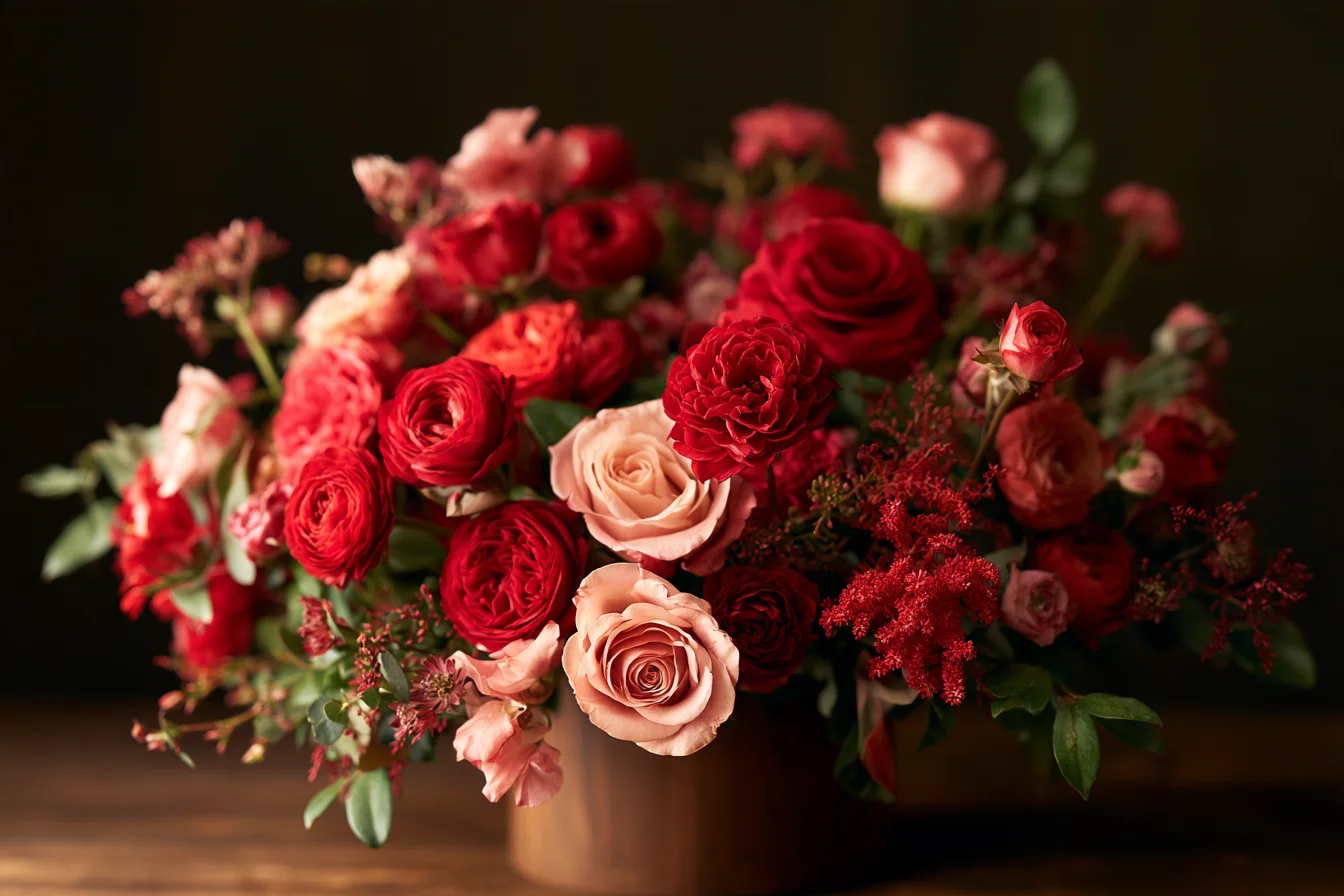
- Deep Reds and Plums: Feel more intimate and romantic.
Choosing the Right Format
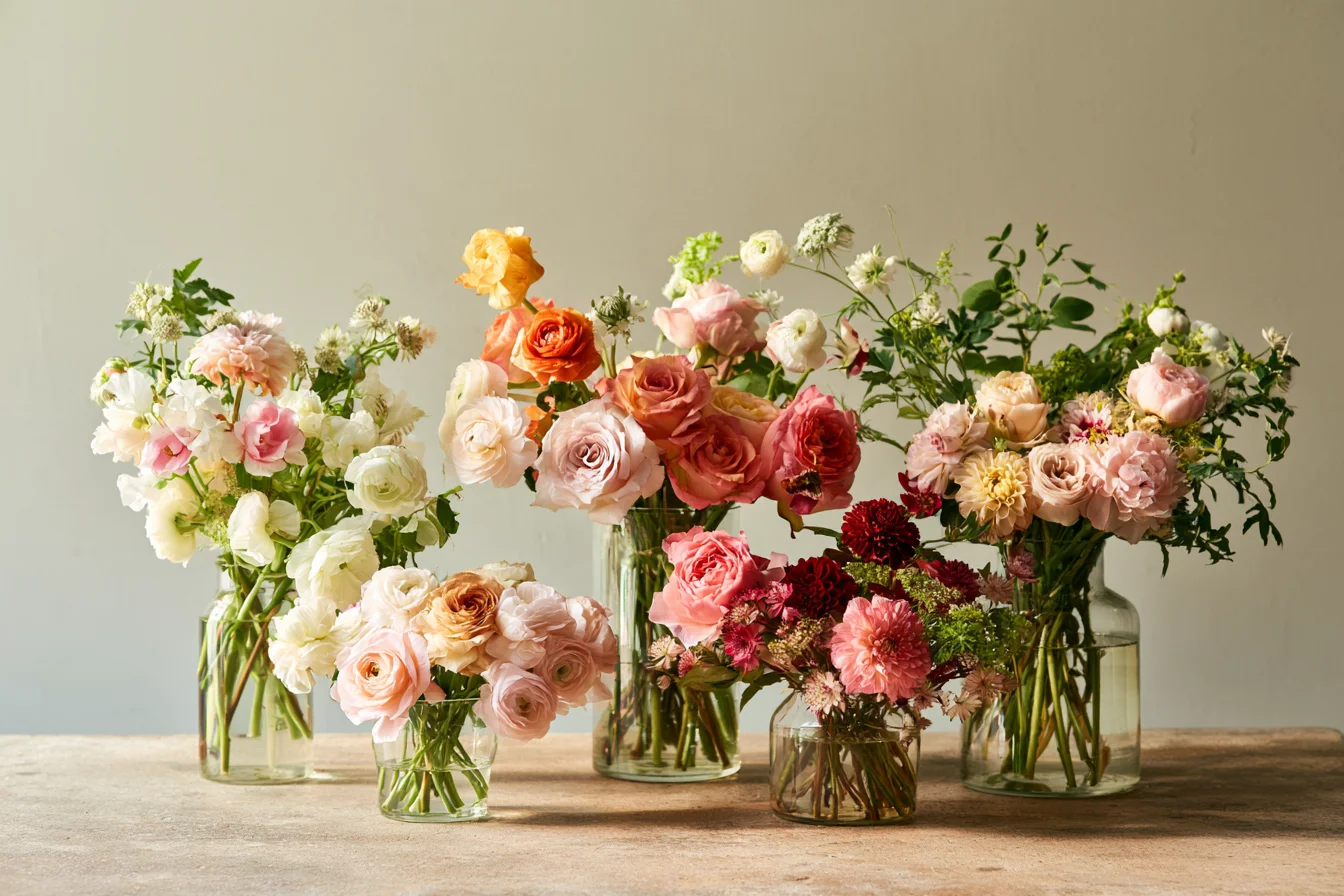
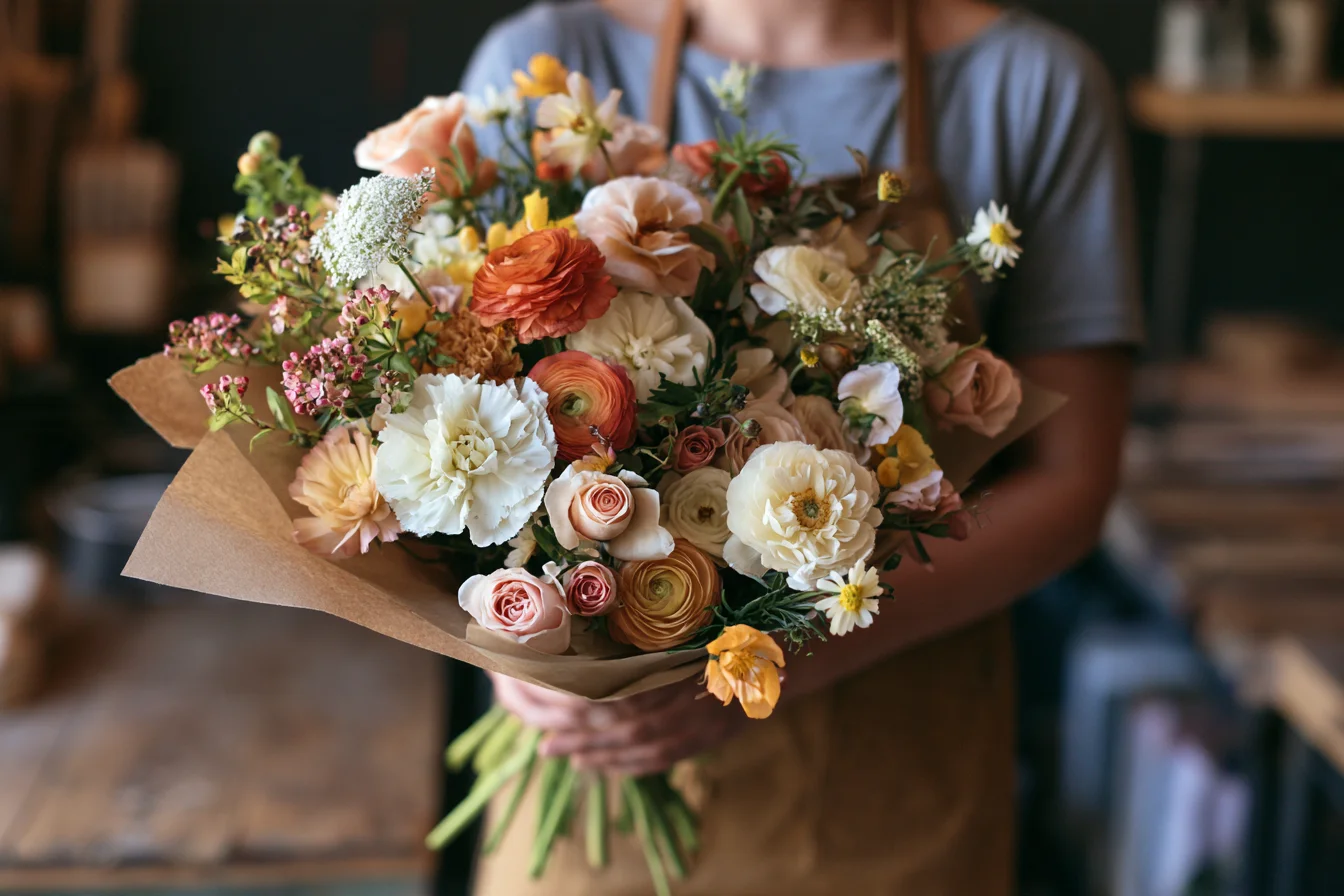
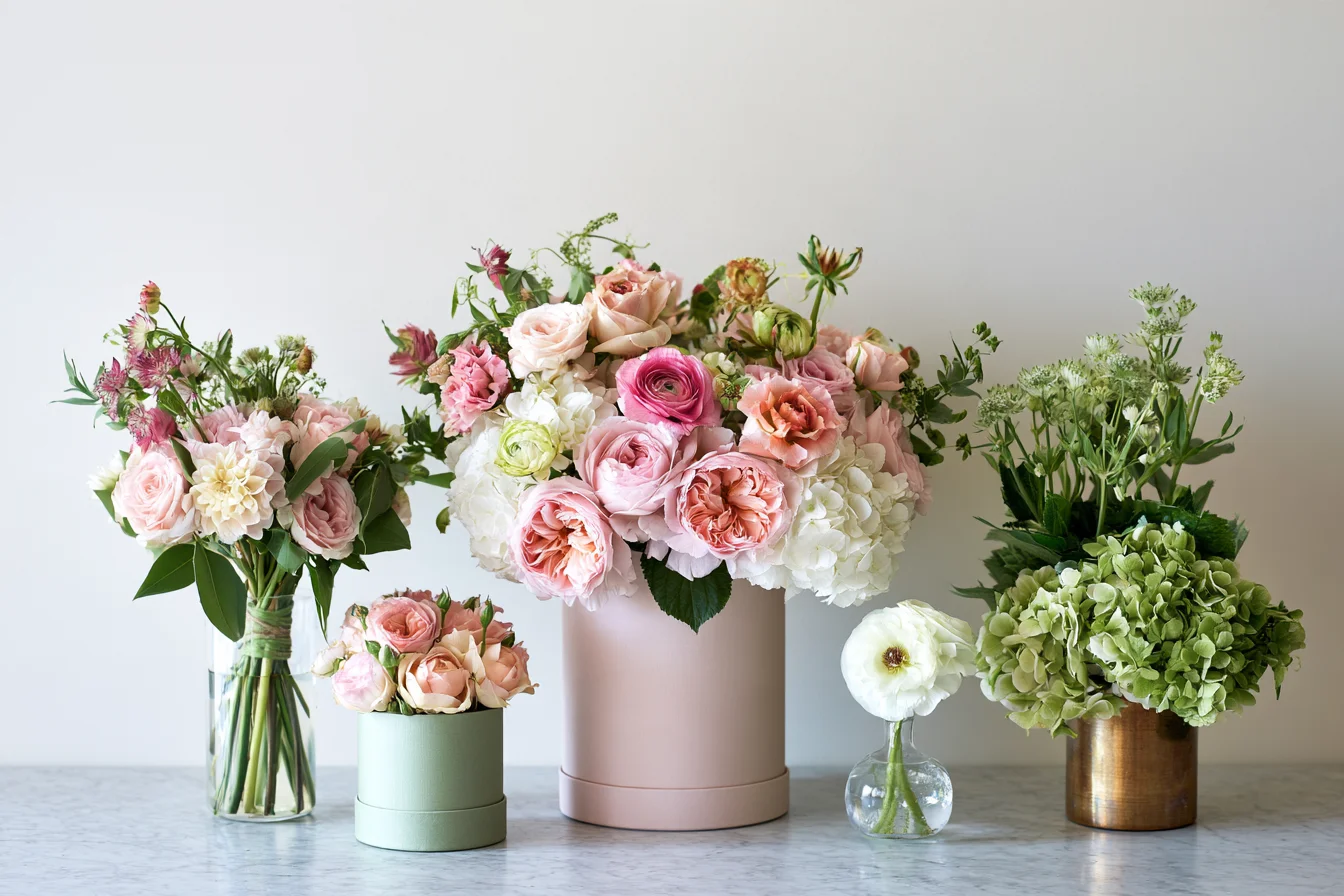
The arrangement format affects the gift as much as the blooms themselves. A hand-tied bouquet feels personal and relaxed, whereas boxed flowers offer a polished presentation. Vase-ready designs are practical for immediate display, while a single stem can make a restrained, meaningful gesture. Potted plants provide longer-lasting enjoyment, and mixed bunches bring an informal, abundant character.
Practical Considerations for Thoughtful Gifting
Symbolism should never override practical considerations.
- Health and Safety: Some flowers have strong fragrances, and pollen can cause allergies. Certain varieties are highly toxic to pets, particularly cats, so household animals must be considered before ordering.
- Timing: Send flowers on the occasion when possible. For an event, delivery shortly beforehand gives the recipient time to enjoy the bouquet. If you have learned of a loss or difficult situation, respond promptly rather than waiting for a perfect moment.
- Delivery Location: Choose the location according to the recipient’s circumstances. A home delivery offers privacy, while a workplace can be suitable for professional congratulations. Hospitals, ceremony venues, and funeral homes may have specific access rules, delivery hours, size limits, or restrictions on flowers. Always confirm the address and visiting policies before ordering.
- The Perfect Note: A handwritten or personalized note gives the gift its clearest meaning. State the purpose directly, whether it is congratulations, encouragement, remembrance, affection, or an apology. If the flowers require specific care, pass those instructions along so the arrangement lasts.
What to Avoid When Sending Flowers
- Do not send romantic flowers to a platonic recipient unless the context makes your intention unmistakable.
- Avoid highly fragrant designs for sensitive settings or shared spaces.
- Never ignore cultural or religious customs regarding specific blooms or colors.
- Do not send sympathy flowers that appear overly bright or focused on the sender.
- Remember that flowers cannot replace a necessary apology or a meaningful, direct conversation.
The Ultimate Pre-Order Checklist
Before finalizing your floral order, review this compact list to ensure your gift is perfectly tailored:
Care Needs: Will the recipient know how to maintain the arrangement?
Occasion: What event or sentiment are you marking?
Relationship: How close are you to the recipient?
Recipient Preferences: What are their favorite colors, flowers, and styles?
Suitable Blooms: Do the chosen flowers and colors match the sentiment?
Timing: Is the delivery scheduled for the most appropriate day and time?
Delivery Setting: Are there any restrictions at the home, office, hospital, or venue?
Message: Is your note clear, sincere, and appropriately worded?
Budget: Have you accounted for the bouquet size, delivery charges, and vase inclusion?